
Euphorbia pachypodioides
Euphorbia pachypodioides
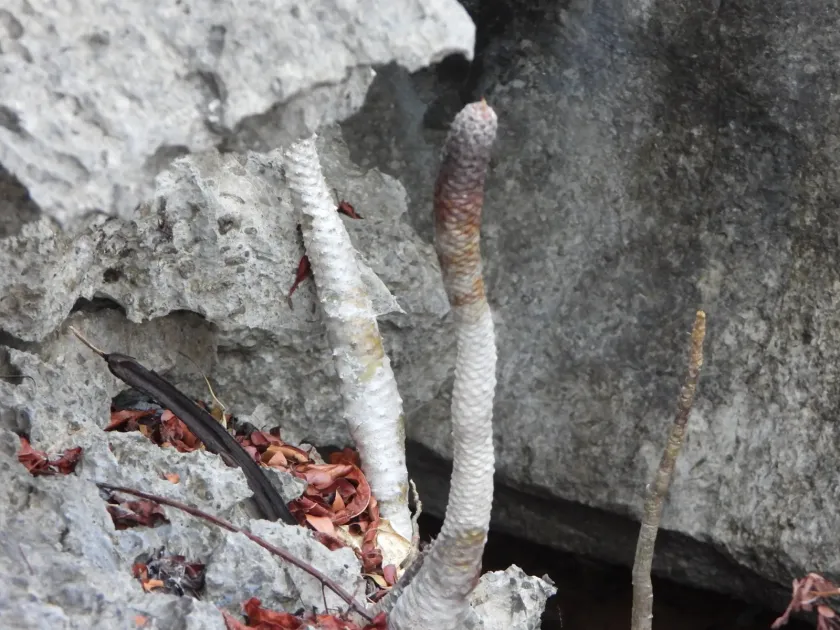
Description
Growing requirements
Euphorbia pachypodioides is a highly decorative succulent species that belongs to the extensive Euphorbiaceae family and is renowned for its distinct morphological structure.
The plant originates from the island of Madagascar, where it occupies specialized ecological niches on rocky terrain, adapting to seasonal droughts and high intensity of sunlight.
Its botanical profile features a succulent, thickened stem armed with prominent, spirally arranged spines, which serve as a mechanism for water retention and environmental defense.
Cultivation requires a substrate that mimics its native habitat: it must be exceptionally well-draining, typically consisting of volcanic grit, sand, and a minimal amount of organic matter.
The species thrives in bright, direct light conditions, requiring high thermal levels during the growing season to ensure robust stem development and avoid etiolation.
Main diseases and pests
Excessive irrigation remains the primary threat to the health of Euphorbia pachypodioides, as waterlogged soil leads to rapid anaerobic conditions and subsequent stem rot.
Pest infestations are generally associated with dry indoor climates, where mealybugs and spider mites may target the growing tips and crevices between the spines.
To maintain plant health, it is essential to monitor for dark lesions on the base of the stem, which are often the first signs of fungal invasion caused by poor cultural practices.
The use of systemic pesticides is recommended if an infestation occurs, but preventative measures like keeping the plant in a well-ventilated area are far more effective for long-term health.
During winter dormancy, the plant should be kept in a cool, dry place to emulate its natural dormant cycle, which helps prevent improper growth and maintains physiological stability.