
Euphorbia neorubella
Euphorbia neorubella
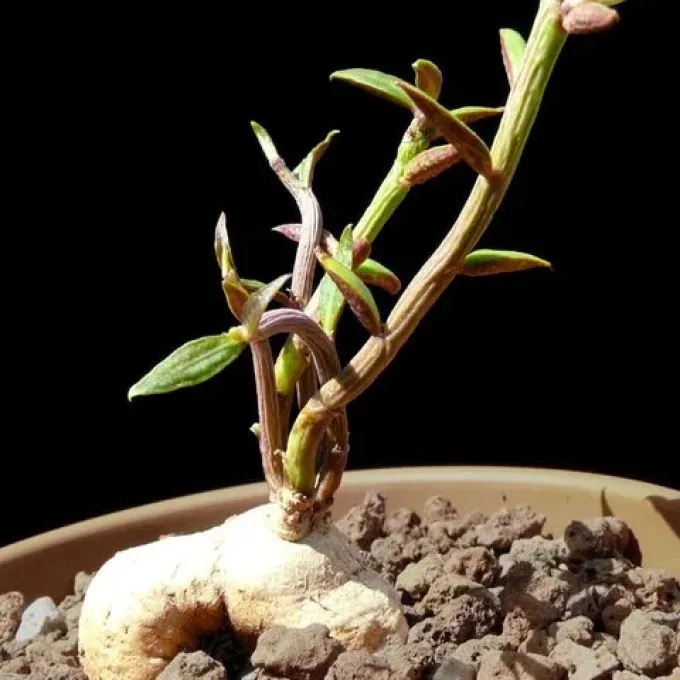
Description
Growing requirements
Euphorbia neorubella is a member of the diverse Euphorbiaceae family. This succulent species is highly valued for its unique morphological structure and its adaptation to arid environmental conditions found in its native habitat.
The plant requires a well-draining soil mix to thrive, typically composed of mineral components such as perlite, pumice, and coarse sand. Organic matter should be kept to a minimum to prevent root suffocation.
Light intensity is the most critical factor for the healthy development of Euphorbia neorubella. It requires several hours of direct sunlight or high-intensity LED light to maintain its compact habit and natural pigmentation.
Watering strategies must be adapted to the growth cycle. During the active growing season, water thoroughly only when the substrate has dried out completely. During winter dormancy, the plant should remain almost dry.
Temperature management is straightforward, as the plant prefers warm conditions during the day and cooler nights. It does not tolerate frost and should be kept in temperatures above 10 degrees Celsius at all times.
Main diseases and pests
The most frequent problem in cultivating Euphorbia neorubella is root rot, which occurs due to overly frequent watering or poor drainage. Excess moisture creates an ideal environment for pathogenic fungi.
Mealybugs are the primary pest concern for this species. They hide in the crevices of the stem, often going unnoticed until a significant infestation occurs, which may require systemic insecticide application.
Root aphids can also cause issues by attacking the root system, causing the plant to stop growing and show signs of dehydration despite adequate soil moisture levels.
Sunscald can occur if the plant is moved from a low-light environment to direct intense sun too quickly. Gradual acclimation is necessary to prevent permanent damage to the delicate outer tissues of the stem.
Fungal leaf spot or stem rot may also appear in conditions of poor air circulation. Regular ventilation and keeping the plant dry are the most effective preventive measures against these threats.