
Euphorbia monadenioides
Euphorbia monadenioides
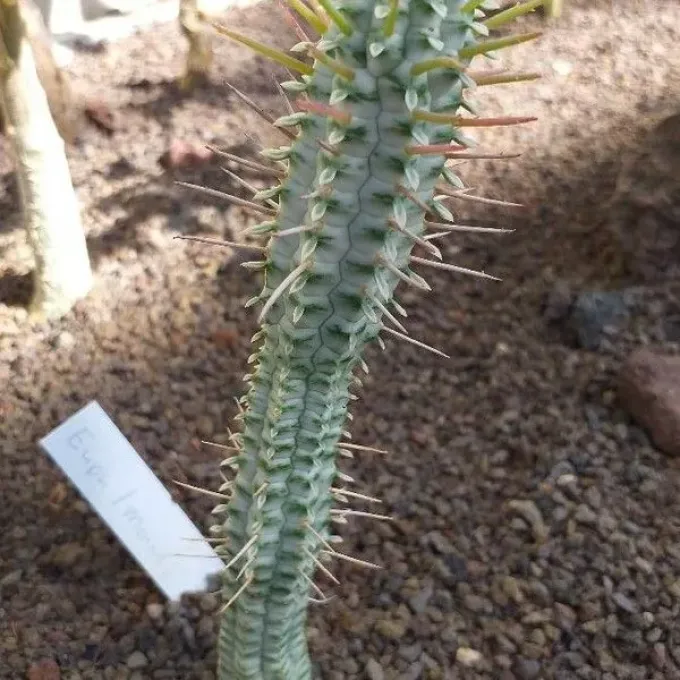
Description
Growing requirements
Euphorbia monadenioides is a distinct succulent species belonging to the Euphorbiaceae family. It is native to arid regions of East Africa, where it has evolved unique morphological traits to survive extreme moisture deficits.
The plant features specialized succulent stems designed for water storage. These stems allow the species to maintain physiological functions during prolonged periods of drought, which is a hallmark of its survival strategy.
Agricultural success depends on providing high light intensity. Without sufficient solar radiation, the plant fails to maintain its natural compact growth habit, leading to etiolated stems and diminished resilience.
The substrate must provide excellent drainage. A mix comprising coarse sand, grit, and minimal organic matter is necessary to mimic the natural rocky soils where this species thrives, preventing water stagnation.
Temperature management is critical. The plant requires warmth during the active growth phase, while a clear distinction in seasonal temperatures is essential to trigger the natural dormancy period required for overall health.
Main diseases and pests
Fungal pathogens associated with overwatering constitute the primary threat to the crop. Root rot can manifest rapidly in heavy, non-porous soils, leading to total plant loss if irrigation is not strictly controlled.
Preventative measures involve maintaining a strictly dry environment around the root neck and ensuring that ambient humidity remains low during the dormant winter months to prevent opportunistic infections.
Pests such as mealybugs and spider mites frequently infest Euphorbia species. These pests utilize the succulent tissues as a nutrient source, causing unsightly scarring and structural weakening of the stem.
Chemical control must be applied with extreme caution, as the plant's waxy epidermis can be sensitive to certain solvent-based pesticides, potentially causing chemical burns.
Effective management requires a combination of rigorous hygiene protocols, physical inspection of the crop, and the application of targeted insecticides to ensure the longevity of the plant population.