
Euphorbia monacantha
Euphorbia monacantha
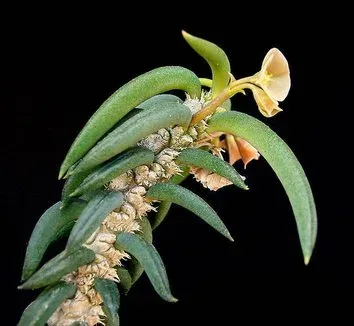
Description
Sowing dates
Euphorbia monacantha is a succulent species belonging to the diverse Euphorbiaceae family. Successful cultivation begins with the selection of high-quality seeds and proper sowing techniques.
The optimal time for sowing is during early spring, which coincides with the natural growth phase of the plant and increasing solar radiation intensity.
Seeds should be sown in a well-draining, gritty soil mix that allows for oxygen exchange, preventing the damping-off of emerging seedlings in the early development stages.
Maintaining a temperature range between 22 and 26 degrees Celsius is critical for germination. High humidity must be balanced with adequate ventilation during the first weeks.
Once seedlings achieve a robust size, they should be transplanted into individual pots, ensuring the use of a mineral-rich substrate suitable for arid-loving succulent species.
Growing requirements
This species requires high light intensity throughout the year. In indoor environments, southern exposure is necessary to prevent etiolation, which weakens the plant's structure.
Soil requirements focus on drainage. A mix containing perlite, pumice, and sand is recommended to ensure that water moves through the root zone without creating waterlogged conditions.
Irrigation must be precise; the soil should dry out completely between watering sessions. Overwatering is the most common cause of failure in cultivating this specific Euphorbia.
Temperature control is vital: warmth is preferred during the growing season, while a slightly cooler environment during winter dormancy mimics its natural habitat conditions.
Space and ventilation are equally important. Crowding plants can increase the risk of humidity traps, which are detrimental to the health of succulent tissues.
Main diseases and pests
Fungal infections are the primary threat, often manifesting as rot if the growing medium remains damp for extended periods. Once rot begins, it is often difficult to reverse.
Mealybugs are the most persistent pests for this genus. They thrive in the crevices and junctions of the plant, often going unnoticed until the infestation is significant.
Spider mites can also be problematic if the humidity levels drop significantly and the air becomes stagnant, leading to physical damage on the epidermis of the stem.
Effective management includes regular physical inspection and the immediate isolation of any symptomatic plants to prevent the spread of pests or pathogens.
Chemical control, when necessary, should involve horticultural oils or systemic insecticides specifically approved for use on succulent and desert plant species.