
Euphorbia minutifolia
Euphorbia minutifolia
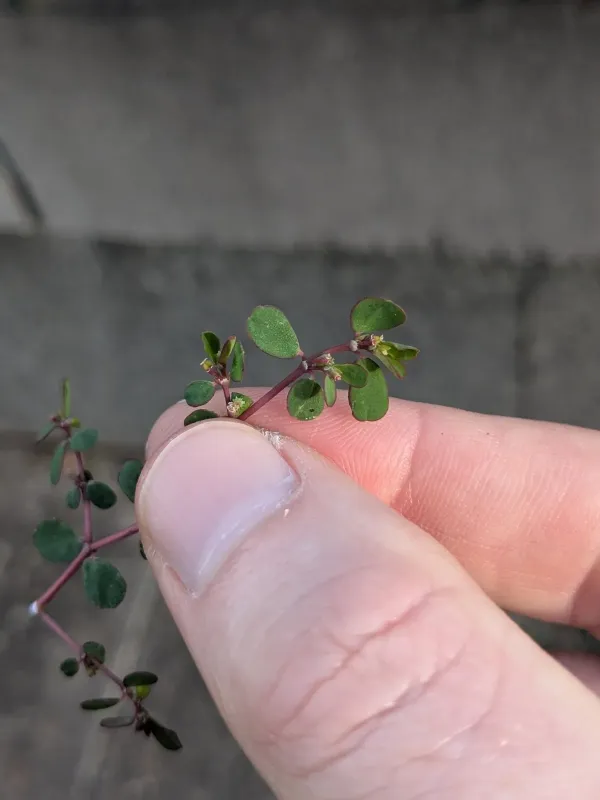
Description
Growing requirements
Euphorbia minutifolia is a distinct member of the Euphorbiaceae family, known for its specific xerophytic adaptations. This species exhibits unique growth patterns and specialized foliage, allowing it to thrive in nutrient-poor environments where other crops might struggle.
The plant originates from arid regions, which dictates its preference for intense light and well-drained substrate conditions. It is highly efficient in water storage, maintaining physiological stability even during prolonged drought periods commonly found in its native habitat.
When considering soil requirements, sandy or gravelly mixtures are ideal. It is essential to ensure that the medium possesses high permeability to prevent moisture accumulation around the base of the plant, which is the primary cause of decline for this species.
Climatic factors such as high temperature thresholds are well-tolerated by Euphorbia minutifolia. It requires a significant amount of solar exposure; shading will inevitably lead to structural weakness and a lack of proper biological development in the canopy.
Agricultural management should focus on maintaining a dry microclimate. Controlled irrigation techniques are recommended, ensuring that the soil is allowed to dry out completely between water applications, which mimics the natural wet-dry cycles of its native climate.
Main diseases and pests
Spider mites represent a major challenge for Euphorbia minutifolia in agricultural settings, especially when ambient humidity is low. These pests colonize the plant surfaces, causing damage that manifests as leaf discolouration and overall plant debilitation.
Root rot, driven by moisture-loving fungal pathogens, is a constant threat. Excessive watering or poorly draining soil conditions significantly increase the risk of infection, often leading to rapid tissue death starting from the root collar.
Mealybugs can often infiltrate the crevices between stems and leaves. Regular monitoring is necessary, as these insects can quickly compromise the plant's health by extracting sap and fostering the growth of sooty mold on the honeydew they produce.
Fungal leaf spot diseases may appear during periods of poor air circulation. Improving ventilation around the plants is an essential prophylactic measure that helps keep the foliage dry and minimizes the survival of fungal spores.
Effective pest and disease control requires a preventative approach. Sanitation practices, such as removing debris from around the base and inspecting new plant stock for signs of infestation, are vital for maintaining a healthy and productive crop population.