
Euphorbia micromera
Euphorbia micromera
Description
Growing requirements
Euphorbia micromera is a species of herbaceous annual plant belonging to the Euphorbiaceae family. It is recognized as a member of the diverse spurge group, which is known for its distinctive milky sap and complex reproductive structures.
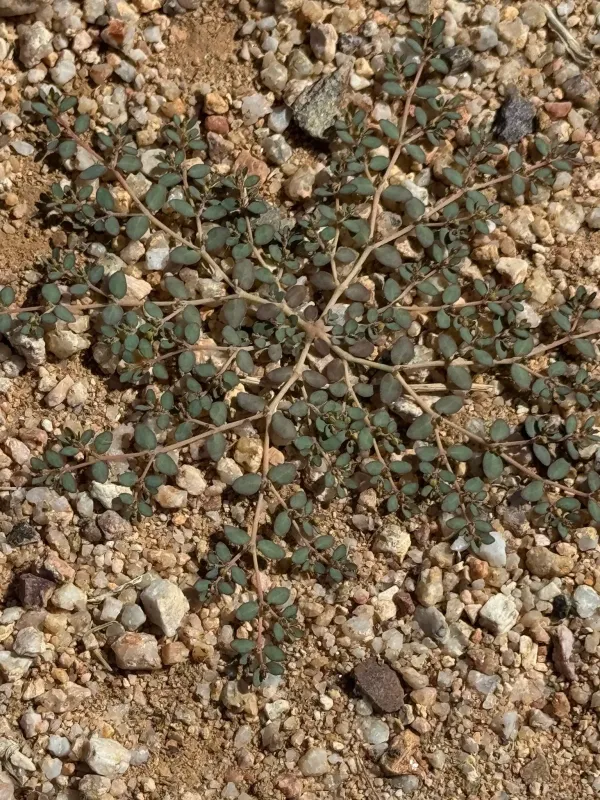
The morphology of this plant is characterized by a prostrate growth habit. It features slender, branching stems that spread across the soil surface, forming dense mats that help protect the ground from intense evaporation.
Native to the arid regions of southwestern North America, including parts of Mexico, this plant is well-adapted to harsh environmental conditions. It thrives in open, dry habitats where competition from other vegetation is minimal.
It prefers well-drained, sandy, or gravelly soils with low nutrient content. The species is highly tolerant of prolonged drought, utilizing its deep taproot to access subsoil moisture during the peak of the dry season.
From an ecological standpoint, Euphorbia micromera plays a role in stabilizing arid soils. It is not cultivated for agricultural output, but its presence serves as an indicator of environmental stability in disturbed desert landscapes.
Main diseases and pests
The plant possesses a significant chemical defense mechanism in the form of latex, which contains diterpene esters and alkaloids. This makes the tissue bitter and toxic to many herbivores, ensuring its survival against insect pressure.
Pathogen susceptibility is generally low due to the plant's natural habitat, which is typically too dry for common fungal infections. However, in artificial settings with excessive soil moisture, the plant becomes vulnerable to root rot.
The main threats to the plant in a landscape context are competition from invasive grasses that can shade the low-growing spurge and reduce its vigor during the growing season.
Controlling this species in non-target areas is typically done through mechanical removal before seed set. Given the high fertility of the plant, preventing the dispersal of seeds is essential for long-term population management.
Human safety is a critical factor when dealing with this species. The milky sap is highly irritating and can cause dermatitis or severe eye irritation if accidentally contacted, requiring the use of protective gear.