
Euphorbia microcarpa
Euphorbia microcarpa
Description
Growing requirements
Euphorbia microcarpa is a representative species of the Euphorbiaceae family, widely known for its distinct milky sap which contains various phytochemical compounds. As an agricultural object, it is primarily analyzed for its role in ecosystems and its competitive impact on neighboring crops.
This species thrives in well-drained, nutrient-rich soils, though it possesses high phenotypic plasticity allowing it to persist in marginalized agricultural lands. Its biological success is attributed to an efficient root system that competes successfully for water and minerals.
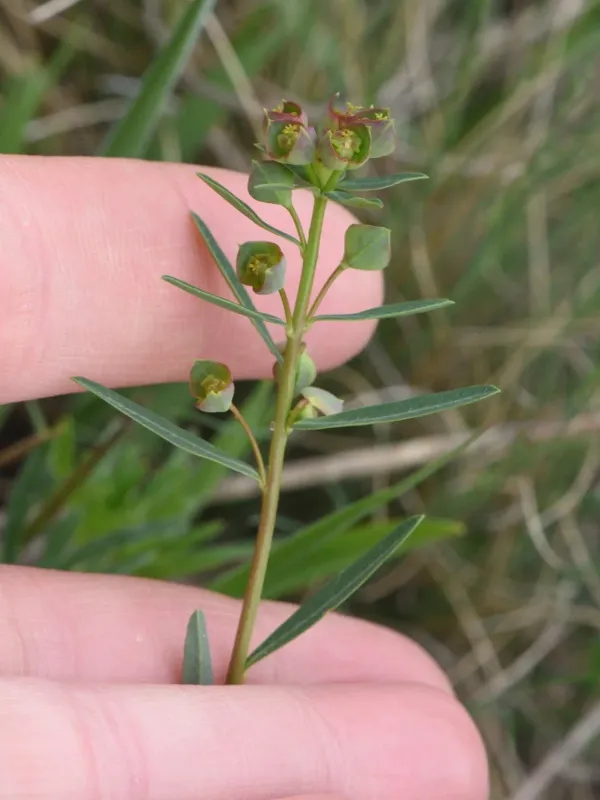
Botanical morphology includes branching stems and simple leaves, often characterized by a rapid life cycle when environmental conditions are optimal. The plant exhibits phototropic tendencies, seeking open areas with high solar exposure for maturation.
Climatic requirements are centered around moderate temperatures and consistent moisture levels during the germination phase. While resistant to mild dry spells, the species reaches peak development in Mediterranean or temperate climates with distinct seasons.
Agronomic management requires precise mechanical intervention and, in intensive farming systems, the use of targeted herbicides to manage population density and prevent competition with primary crops for nitrogen and space.
Main diseases and pests
The plant is susceptible to various fungal pathogens, notably powdery mildew, which can significantly inhibit photosynthesis and reduce biomass accumulation during the wet periods of the year.
Common pests include aphids and spider mites, which exploit the nutrient-rich sap. These vectors often introduce systemic viruses that cause chlorosis and stunted growth, common symptoms in infested fields.
Integrated pest management (IPM) strategies are recommended to mitigate the impact of these pests, focusing on biological control and maintaining field sanitation to avoid secondary infestations of adjacent crops.
Damage to the plant tissue often occurs during extreme weather events, which leaves the species vulnerable to secondary opportunistic fungal infections and rot in the stem base.
Continuous monitoring of the field is crucial, as the density of Euphorbia microcarpa can serve as a primary indicator of soil quality and the presence of specific micro-nutrient imbalances.