
Honey spurge
Euphorbia mellifera
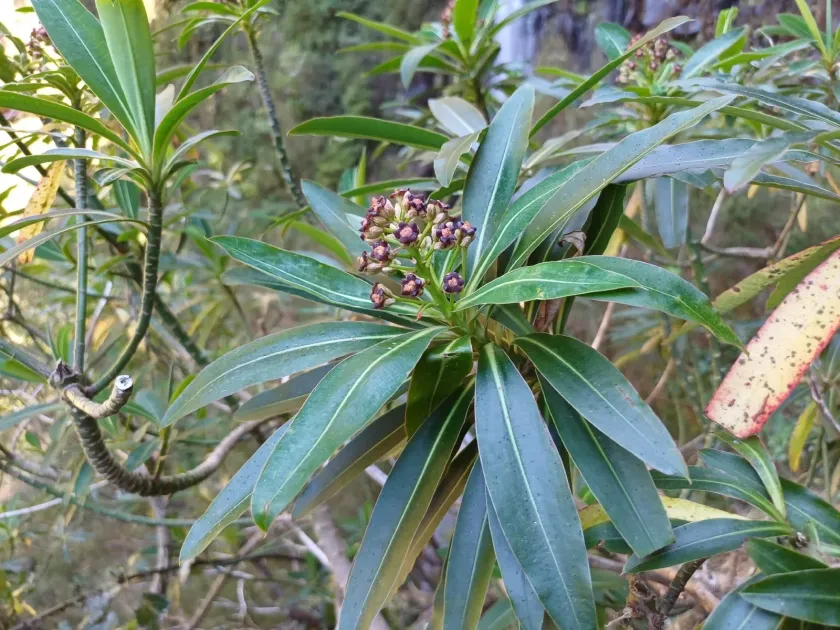
Description
Sowing dates
Honey spurge is typically propagated through seeds or stem cuttings, depending on the specific agricultural goals of the production cycle.
Seed sowing is best performed in the spring when the soil temperature consistently reaches levels favorable for germination.
The seeds require a period of cold stratification to break dormancy, which significantly improves the germination rate in controlled conditions.
Sowing in trays allows for better control over early growth stages before the seedlings are transplanted to their permanent outdoor locations.
It is essential to keep the medium consistently moist but not waterlogged during the germination phase to prevent seedling mortality.
Growing requirements
As a member of the Euphorbiaceae family, Euphorbia mellifera originates from the islands of Madeira and requires specific environmental conditions.
The crop thrives in well-draining, nutrient-rich soils with a neutral pH, ensuring that excess moisture does not accumulate around the roots.
Full sun exposure is crucial for the optimal development of the plant and for maximizing its potential for nectar production.
The climate should be mild, as the plant is not fully frost-hardy and requires protection or indoor overwintering in colder regions.
Regular maintenance practices include pruning spent flower stems to encourage stronger growth and improve the overall vigor of the plant.
Main diseases and pests
The plant is susceptible to fungal infections, particularly those caused by stagnant humidity and poor airflow in the planting area.
Root rot is the most common physiological disorder caused by excessive irrigation or soils with poor drainage characteristics.
Pests such as spider mites and aphids can become problematic, particularly in arid climates or greenhouses where humidity is low.
Regular monitoring of leaf undersides is recommended to detect the presence of sucking insects before they reach critical population levels.
Integrated pest management strategies should focus on improving plant resilience through balanced nutrition and proper spacing between individual plants.