
Euphorbia meenae
Euphorbia meenae
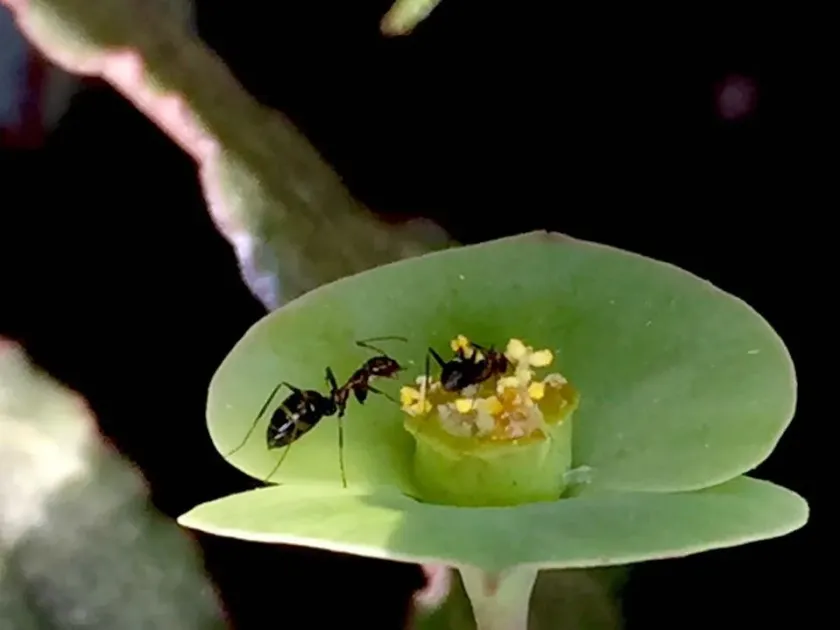
Description
Growing requirements
Euphorbia meenae is a distinctive species within the Euphorbiaceae family. This succulent shrub is highly adapted to arid environments, featuring specialized structures that allow it to survive in harsh ecological conditions.
The plant originates from regions with scarce precipitation and intense solar exposure. These natural conditions have dictated the plant's evolutionary strategy, resulting in its slow growth rate and efficient water storage mechanisms.
For cultivation, the species requires highly porous, mineral-rich substrates. Proper drainage is the single most critical factor, as stagnant moisture around the roots will inevitably lead to physiological stress or decay.
Climate requirements include high thermal stability and full-spectrum light. During the vegetative period, the plant thrives in conditions that mimic its native habitat, providing adequate airflow to prevent overheating while maintaining high solar radiation.
Regarding хозяйственное usage, Euphorbia meenae is primarily prized by specialized collectors and botanical gardens. It serves as a study model for xerophytic adaptation and contributes to sustainable landscaping in dry climates.
Main diseases and pests
The main threats to Euphorbia meenae are fungal pathogens triggered by poor ventilation and excessive moisture. Root rot is a common issue when the substrate stays damp for prolonged periods, especially in cooler weather.
Pests such as mealybugs and spider mites are frequent invaders of succulent collections. They thrive in dry conditions and feed on the plant's sap, which can leave permanent scars and weaken the structural integrity of the stems.
Effective management includes maintaining a clean growing environment and monitoring for the first signs of infestation. Integrated pest management strategies using selective pesticides are recommended to preserve the health of the plant.
The latex produced by this Euphorbia species is known for its toxic properties. Growers must wear protective gear to avoid skin contact and ensure that any accidental exposure to the sap is treated immediately to prevent irritation.
By preventing mechanical damage and ensuring adequate air movement around the plant, growers significantly reduce the risk of secondary infections. Proactive monitoring remains the best tool for protecting this rare species.