
Euphorbia matritensis
Euphorbia matritensis
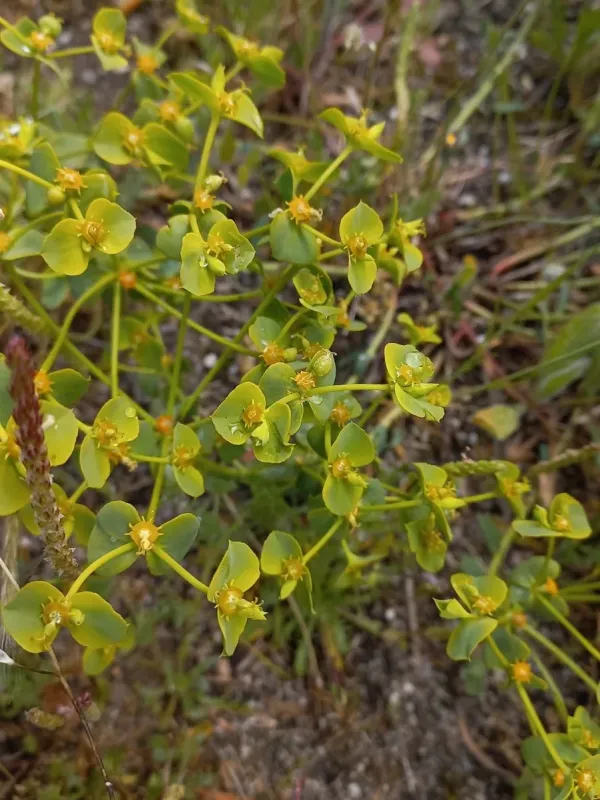
Description
Sowing dates
Sowing Euphorbia matritensis in an agricultural setting requires careful preparation, typically occurring in the early spring once the threat of frost has passed.
Seeds of this species require a cold stratification period to break dormancy and ensure uniform germination across the field or nursery plot.
The seeds should be planted at a shallow depth of 1–2 centimeters, ensuring they are covered with fine-textured soil for optimal moisture retention.
Row spacing should be maintained at roughly 50 centimeters to allow for adequate airflow and to facilitate mechanical weed control throughout the season.
Starting plants in plug trays indoors during late winter is an effective strategy for those looking to maximize the growing season in cooler climates.
Growing requirements
Euphorbia matritensis is a member of the Euphorbiaceae family and thrives in Mediterranean-type climates characterized by warm, dry summers.
This plant species demands high levels of direct solar radiation to maintain its structural integrity and promote the production of secondary metabolites.
The ideal soil conditions consist of well-drained, sandy, or rocky loams that prevent the accumulation of water, which is critical for root health.
The crop is highly drought-tolerant once established, requiring supplemental irrigation only during the early stages of development or prolonged heatwaves.
Balanced fertilization with low nitrogen levels is recommended to prevent excessive vegetative growth at the expense of seed or latex production.
Yield
As a specialty crop, Euphorbia matritensis is primarily researched for its potential as a source of industrial latex and high-quality vegetable oils.
Seed yields are heavily dependent on pollination success and summer weather patterns, typically ranging from 1 to 2 tonnes per hectare in managed stands.
The biomass of the plant can be processed for its terpenoid content, which holds interest for the specialty chemical and pharmaceutical sectors.
Genetic selection programs are currently underway to improve the oil content of the seeds, aiming to increase the viability of large-scale plantations.
Sustainable harvest practices ensure that the soil remains productive, allowing for long-term cultivation without the risk of rapid soil depletion.
Main diseases and pests
The most significant threat to Euphorbia matritensis populations is root rot, particularly in poorly drained soils where water stagnation occurs regularly.
Fungal infections such as Fusarium and Rhizoctonia are prevalent in dense plantings and can significantly reduce overall plant vigor and survival rates.
Common pests like aphids and spider mites can infest the foliage, leading to stunted growth and potentially spreading viral plant diseases within the field.
Effective management includes integrated pest management (IPM) strategies, which prioritize biological controls and minimal chemical intervention where possible.
Crop rotation is essential to break the life cycle of soil-borne pathogens that tend to persist in areas continuously planted with Euphorbiaceae.
Harvesting
The harvest timing is determined by the color of the capsules; when they turn from green to a dark brown, the seeds have reached physiological maturity.
Direct mechanical harvesting can be challenging due to seed dehiscence, so pre-harvest desiccation or swathing is often preferred to reduce crop losses.
Post-harvest handling must include immediate cleaning and drying to maintain the oil quality and prevent the seeds from undergoing rancidity or fungal growth.
Storage should take place in controlled, low-humidity environments to ensure that the moisture content of the seeds stays below 9% for long-term preservation.
Workers must exercise caution when harvesting, as the milky sap produced by the plant can cause skin and eye irritation upon contact with the skin.