
Euphorbia mafingensis
Euphorbia mafingensis
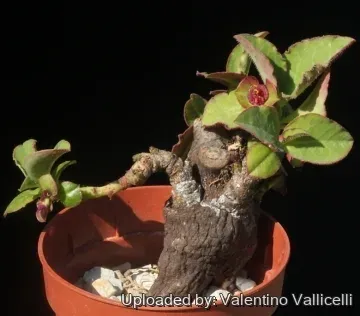
Description
Growing requirements
Euphorbia mafingensis is a distinct succulent species belonging to the Euphorbiaceae family. It is native to the high-altitude rocky environments of Malawi, Africa, where it has evolved specific structural mechanisms to endure prolonged periods of heat and limited water availability.
Botanically, this species is characterized by its succulent stems that act as reservoirs, allowing the plant to survive in its harsh, arid natural habitat. Its morphology is adapted to withstand high solar radiation and the limited nutrient density found in rocky, volcanic, or stony substrates.
When cultivating this plant, environmental control is critical. It demands high levels of sunlight and a well-draining, porous soil medium. Using standard heavy potting soil will inevitably lead to root rot; therefore, specialized grit-based substrates are required for long-term health.
The thermal requirements for Euphorbia mafingensis are strict: it thrives in warm conditions and must be protected from frost at all times. In temperate climates, this species is strictly managed as an indoor or conservatory plant to ensure winter survival and prevent tissue damage caused by cold and humidity.
In terms of agricultural and horticultural use, this species is primarily cultivated for its aesthetic appeal in the international nursery trade. It serves as a prized specimen for arid-landscape projects and specialized collections of rare African flora, requiring precise, low-maintenance care routines.