
Euphorbia macroceras
Euphorbia macroceras
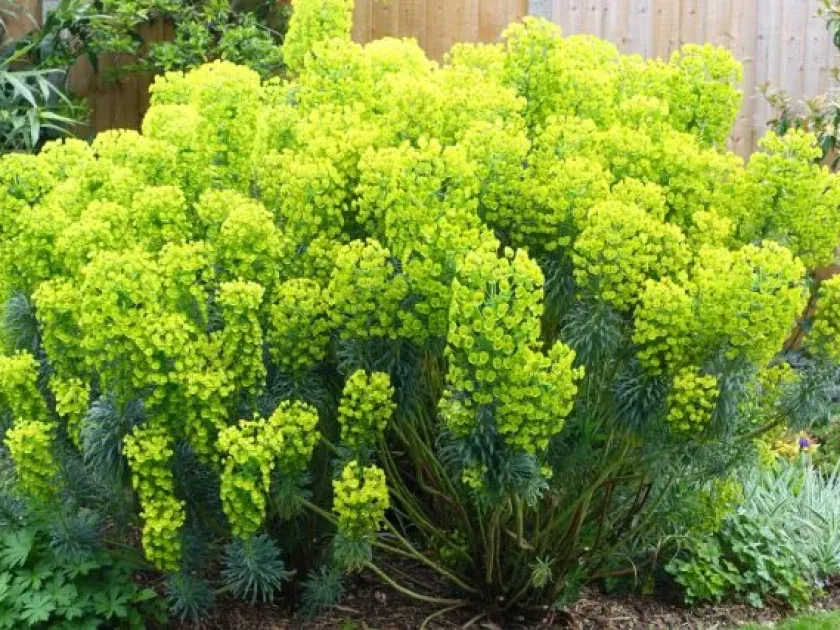
Description
Growing requirements
Euphorbia macroceras is a prominent species within the Euphorbiaceae family. It is a perennial herbaceous plant native to the Caucasus region, adapted to thrive in mountain slopes and meadows.
The plant demonstrates a strong preference for well-drained, fertile soils with sufficient organic matter. While it is quite adaptable, preventing waterlogging is crucial for maintaining the health of the root system.
In terms of light exposure, Euphorbia macroceras is classified as a heliophyte, meaning it requires significant exposure to direct sunlight to produce vigorous growth and maintain its natural shape.
Climatic requirements are centered around its need for temperate conditions. It is relatively frost-resistant, although extreme winter temperatures combined with moisture can potentially cause crown damage.
Agronomic practices should focus on maintaining soil structure and managing weed competition. Mulching can be used in young stands to suppress weeds and retain essential soil moisture during the spring.
Main diseases and pests
Euphorbia macroceras possesses natural chemical defenses in the form of its milky sap, which helps deter many potential pests and pathogens that typically plague other herbaceous species.
Despite its defenses, fungal pathogens, particularly root rot, may occur if the soil remains waterlogged for extended periods. Ensuring proper soil aeration is the most effective preventative measure.
Insect pests, such as aphids, can occasionally infest the apical buds of the plant. Monitoring for these pests is essential during the early stages of the growing season when new shoots are most succulent.
Integrated pest management (IPM) strategies are recommended to manage any outbreaks. This includes encouraging natural predators and utilizing selective bio-rational pesticides when necessary.
Maintaining a clean field environment and ensuring adequate spacing between plants significantly improves air circulation, which reduces the humidity levels that favor many bacterial and fungal threats.