
Euphorbia lurida
Euphorbia lurida
Description
Growing requirements
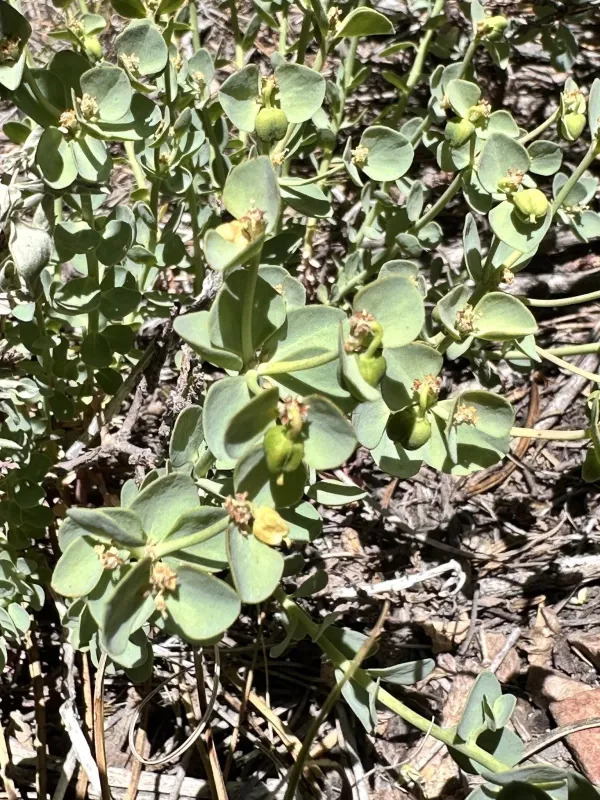
Euphorbia lurida is a perennial herbaceous plant belonging to the Euphorbiaceae family. Originating from specific mountainous habitats, this species has adapted to survive in challenging environmental conditions, often thriving on rocky slopes and nutrient-poor soils.
The plant features distinct foliage and a rigid stem structure. Like most members of the genus, it contains a milky latex sap that is a characteristic defense mechanism. The growth habit is generally clump-forming, providing stability in its natural rocky environment.
For cultivation purposes, this plant requires well-draining soil and a sunny location. It is highly drought-tolerant, making it an excellent candidate for xeriscaping or low-maintenance garden beds. Soil texture should be light, sandy, or stony to prevent root rot.
Climate requirements for Euphorbia lurida include mild temperatures and protection from prolonged heavy rainfall. While it can withstand cold winters, it is vital to ensure that the soil does not remain saturated, as this leads to physiological stress.
Agrotechnical maintenance involves minimal fertilization. Applying a balanced, slow-release fertilizer once in early spring is usually sufficient to support annual growth. Pruning is limited to removing dead or damaged stems after the flowering period.
Main diseases and pests
The primary concern regarding the health of Euphorbia lurida is fungal pathogens that thrive in wet conditions. Root rot is the most common issue, usually stemming from overwatering or inadequate soil drainage in heavy clay substrates.
Aphids can be a significant pest, particularly during the tender growth phase in late spring. These insects cluster on the stems and leaf nodes, necessitating the use of horticultural soaps or targeted systemic insecticides if infestation levels are high.
Spider mites are another potential threat, especially in hot and dry microclimates. Their presence is indicated by stippling on the leaves. Keeping the plant hydrated and providing good air circulation is the best preventative strategy.
Mildew may develop in environments with stagnant air and high humidity. Maintaining proper spacing between individual plants is the most effective way to prevent the spread of fungal spores and ensure the long-term vigor of the crop.
Root-knot nematodes can also affect the subterranean parts of the plant. If growth appears stunted without an obvious surface cause, an inspection of the root system is recommended. Using clean, pathogen-free planting stock is the standard defense.