
Euphorbia lucorum
Euphorbia lucorum
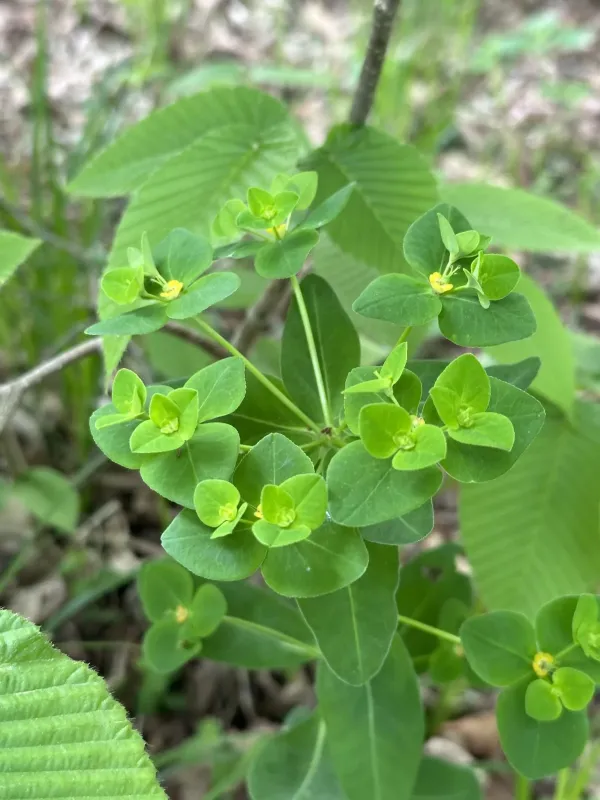
Description
Sowing dates
Euphorbia lucorum, a member of the Euphorbiaceae family, is typically propagated either through seed germination in autumn or via division of mature clumps in early spring.
When sowing seeds, it is recommended to place them in soil during late autumn to ensure they undergo the necessary cold stratification period for successful spring sprouting.
For vegetative propagation, gardeners and growers divide the rhizomes, ensuring each section has healthy roots and buds to facilitate rapid establishment in new locations.
The spacing between plants should be carefully planned to allow for sufficient air circulation, which prevents the build-up of excess moisture around the base of the stems.
Seed depth should remain shallow, typically around one to two centimeters, to ensure that emerging shoots can reach the surface without exhausting their energy reserves.
Growing requirements
This species thrives in temperate climates, showing a high level of resilience to fluctuating temperatures and seasonal changes typical of its native distribution range.
Soil requirements for Euphorbia lucorum emphasize the importance of good drainage, as the roots are susceptible to rotting when grown in heavy, waterlogged soil types.
While the plant is quite hardy, it shows optimal development in fertile, loamy soils that receive moderate amounts of sunlight throughout the growing season.
Maintenance of the crop involves regular weeding and loosening of the soil, which helps to optimize oxygen levels in the rhizosphere for healthier plant growth.
Irrigation should be managed based on local precipitation levels, as the plant is relatively drought-tolerant once it has established a deep and robust root system.
Main diseases and pests
The primary concern regarding plant health is the development of fungal pathogens, particularly powdery mildew, which often strikes during humid and stagnant conditions.
Root rot is a significant risk factor if drainage is inadequate, often leading to rapid plant decline if not caught during the early stages of the disease.
Insect pests such as aphids frequently congregate on tender new growth, utilizing the plant's sap and potentially spreading viral infections between individual plants.
Integrated pest management strategies are advised, including the use of targeted fungicides and aphicides only when thresholds of economic damage are exceeded.
Field sanitation is a crucial practice, which includes the removal and destruction of decaying plant material to break the life cycles of prevalent pathogens.