
Cushion spurge
Euphorbia lingulata
Description
Growing requirements
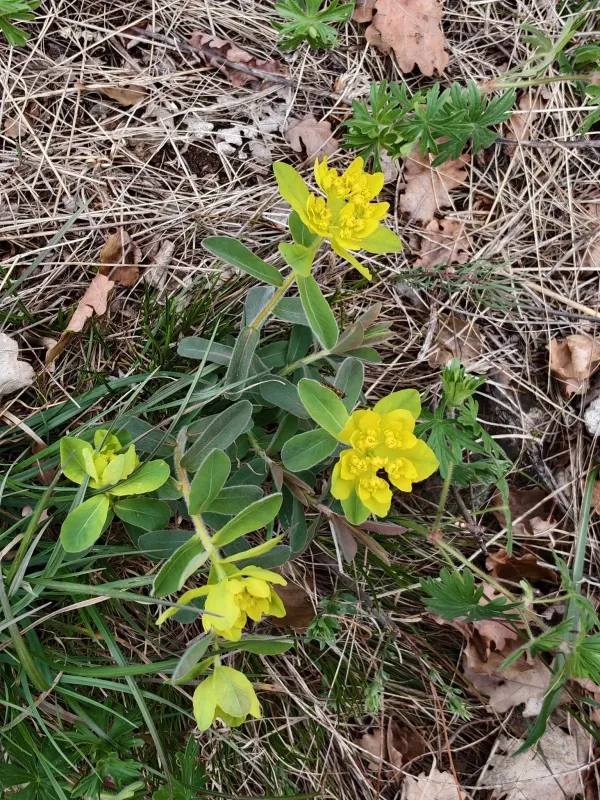
Cushion spurge (Euphorbia epithymoides), a member of the Euphorbiaceae family, is a compact perennial plant popular in ornamental horticulture for its vibrant spring display of yellow bracts.
Native to Central and Southern Europe, this species naturally thrives on rocky outcrops and open woodland edges. Its growth habit is typically rounded and cushion-like, making it an excellent choice for border plantings.
The plant requires full sun exposure to maintain its compact shape and intense color. It is highly adaptable to various soil types but demands excellent drainage to prevent root rot, which is common in stagnant water conditions.
Agronomic management is straightforward, as the plant is drought-tolerant once established. Minimal fertilization is required, usually limited to an early spring application of balanced fertilizer to support vigorous new growth.
Propagation is best achieved through division of the root clumps during the dormant season. It is a hardy species, capable of surviving harsh winter temperatures, which contributes to its status as a reliable perennial.
Main diseases and pests
Cushion spurge is largely pest-free, though it can occasionally be affected by powdery mildew, especially if planted in areas with poor air circulation or excessive humidity levels.
Aphids are the most common insect pests that may infest the tender terminal shoots, causing curling of the leaves. Systematic monitoring allows for early detection and manual removal or use of soap-based sprays.
Root rot is the most significant threat to the longevity of the plant. This condition is almost always associated with overly wet soil conditions, necessitating careful irrigation management.
The plant produces a milky latex sap that is toxic if ingested and can cause severe skin irritation. Protective gloves and eye protection are essential during pruning or division operations.
Sanitation practices, such as removing debris and dead foliage after the growing season, are critical in preventing the buildup of fungal spores and ensuring the continued health of the garden bed.