
Slender-stemmed spurge
Euphorbia leptocaula
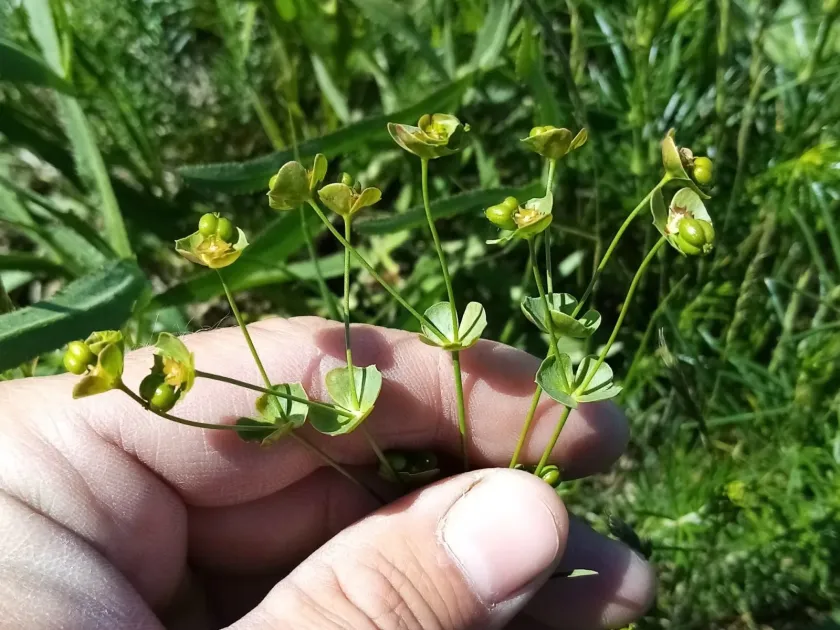
Description
Growing requirements
Slender-stemmed spurge (Euphorbia leptocaula) is a perennial herbaceous plant belonging to the Euphorbiaceae family. It is recognized for its adaptation to challenging environments, making it a potential candidate for specialized agricultural cultivation in semi-arid zones.
The plant originates from regions with sparse vegetation where it has developed a highly efficient root system. It thrives in well-drained, sandy soils that allow deep root penetration and prevent the accumulation of moisture near the crown.
Its botanical features include thin, erect stems and a distinct milky latex within the tissues. This latex is of great interest due to its chemical composition, which includes various complex compounds used in pharmaceutical and industrial applications.
Climate requirements for this species focus on high thermal accumulation and intense light. The crop is sensitive to shade and requires open-field conditions to ensure the optimal development of its vegetative mass.
Agronomic management involves strategic site selection to avoid high-humidity pockets. Maintaining the soil structure is essential, as the species does not tolerate compaction or waterlogging, which often leads to physiological stress.
Main diseases and pests
Root rot remains the most significant threat to the crop, triggered predominantly by poor soil drainage. Managing soil moisture levels is the primary method of preventing these fungal outbreaks during the growth cycle.
Pests such as mites and aphids frequently target the tender parts of the plants, causing structural damage and potential transmission of viral diseases. Regular scouting is required to identify pest hotspots before they reach threshold levels.
Cultural control methods, such as crop rotation and the use of healthy, pathogen-free planting material, are the most effective strategies for long-term health of the spurge fields.
Chemical intervention should be considered a last resort. If insecticides are applied, they must be selected to be compatible with the plant's sensitivity to chemical stress, ensuring that the target pests are controlled without damaging the host.
The maintenance of clean buffer zones around the fields can help reduce the ingress of pests from adjacent ecosystems, contributing to a more stable and productive cultivation process.