
Euphorbia latifolia
Euphorbia latifolia
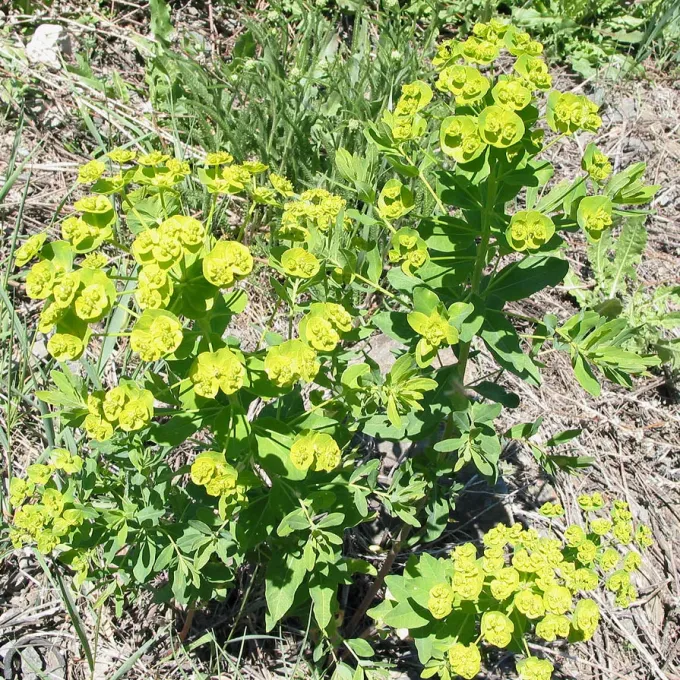
Description
Sowing dates
Sowing of Euphorbia latifolia is typically performed in early spring when the soil temperature reaches at least 10-12 degrees Celsius. Stratification of seeds is highly recommended to improve germination rates significantly.
Seeds should be sown at a depth of 1-2 centimeters. Shallow sowing ensures that seedlings receive sufficient light, which is critical for the vigorous development of this specific Euphorbia species.
For nursery-raised plants, sowing takes place in March using a light, well-draining substrate. Pricking out is done at the two-leaf stage to encourage root system density and overall plant strength.
The recommended planting density is 40 by 40 centimeters. This spacing provides enough space for each plant to mature properly while maintaining efficient access for field management and weeding.
Transplanting into the open field should occur in late May. It is essential to ensure that the risk of night frost has passed, as young spurge plants are particularly sensitive to cold damage.
Growing requirements
Euphorbia latifolia belongs to the Euphorbiaceae family and is recognized as a hardy perennial species with high adaptability to various growing environments within its natural range.
This crop prefers well-drained, fertile loamy or sandy soils. Soil drainage is a non-negotiable factor, as waterlogged conditions lead to rapid root rot and overall plant failure.
The species is sun-loving, requiring full exposure to maintain optimal physiological processes. Adequate light levels are directly linked to the concentration of secondary metabolites in the plant.
Climate requirements are moderate; the plant demonstrates significant cold tolerance, allowing it to survive temperate winters well, especially under a reliable layer of snow cover.
During the active growth phase, the crop requires consistent but moderate watering. Irrigation management is especially important during the early summer when the biomass production is at its peak.
Yield
Biomass yield depends largely on the soil fertility and field management techniques used. With optimal care, Euphorbia latifolia can provide substantial harvests of valuable botanical material.
The plant's main value lies in its latex content, which is used in specialized chemical and pharmaceutical industries. Harvesting at the peak of the flowering phase is crucial for maximum yield.
Commercial utilization focuses on the rapid harvest of the green part of the plant. Timing the harvest accurately ensures that the quality of active compounds remains high for processing.
Seed yield can reach up to 300 kilograms per hectare under ideal conditions. To achieve this, growers must implement effective protection strategies against seed loss and field weeds.
Proper mineral nutrition, focusing on nitrogen application during the initial vegetative stage, significantly boosts total biomass and supports uniform crop development across the entire field.
Main diseases and pests
Common pests affecting this crop include aphids and spider mites. These pests thrive in dry, warm conditions and can quickly weaken plants by feeding on young stems and leaves.
Root rots remain the primary disease threat caused by poor soil drainage. Implementing proper crop rotation and site selection are the most effective preventive measures available.
Powdery mildew may occur during periods of high humidity and temperature instability. Fungicidal treatments should be applied at the first signs of leaf discoloration to prevent widespread outbreaks.
Weevils can cause physical damage to stems, leading to stunted growth. Frequent monitoring of the field allows for early detection and targeted management of any emerging pest populations.
Integrated pest management strategies, combining cultural and biological controls, are highly recommended to minimize the need for heavy chemical intervention and ensure crop purity.
Harvesting
The harvest of green biomass should be timed with the full flowering stage. Mechanical cutters are used to mow the crop, ensuring swift processing and delivery to prevent fermentation.
Harvesting must be performed during dry weather conditions. Moisture on the plants at the time of harvesting significantly increases the risk of spoilage and degradation of active chemical components.
Drying process must be conducted in well-ventilated structures at temperatures not exceeding 45 degrees Celsius. Controlled drying preserves the integrity of the plant's valuable properties.
Seeds are harvested manually or mechanically as the seed pods mature. Frequent checking is required because the seed pods can shatter and release seeds prematurely if not harvested on time.
Storage of the final product requires dry, dark, and well-ventilated conditions. Protecting the harvest from rodents and ambient humidity is essential to maintain its shelf life and quality.