
Hairy-fruited spurge
Euphorbia lasiocarpa
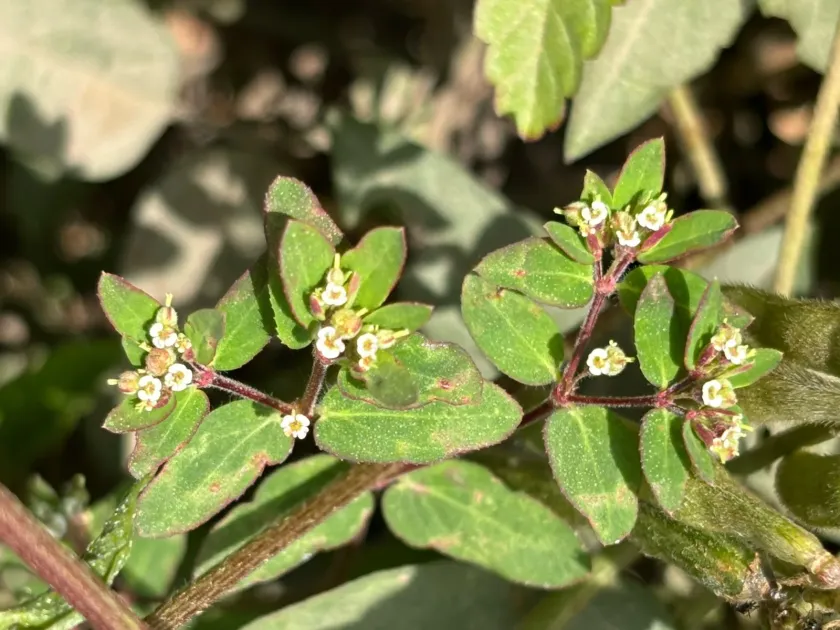
Description
Sowing dates
Hairy-fruited spurge (Euphorbia lasiocarpa) belongs to the Euphorbiaceae family. This species is gaining attention for its utility in various agricultural and technical applications.
The optimal sowing time occurs in early spring when the soil temperature consistently reaches 10 to 12 degrees Celsius. Proper seedbed preparation is essential for successful germination.
Seeds should be planted at a shallow depth of approximately 1-2 centimeters. Because the seeds are small, they require a firm, moist seedbed to ensure they have adequate contact for moisture uptake.
Sowing in rows is recommended to allow for easier weeding and mechanical maintenance during the growing season. Early competition with weeds must be strictly controlled.
Choosing a location with full sun exposure is crucial for the development of the plant and for maximizing the concentration of secondary metabolites in its tissue.
Growing requirements
This crop thrives in light, well-drained soils, such as sandy loams. It does not tolerate waterlogged conditions, which can lead to rapid root degradation.
Hairy-fruited spurge is notable for its significant drought tolerance once established. This makes it a viable candidate for production in semi-arid environments.
Soil pH should ideally be neutral or slightly acidic. Proper soil structure is more important than high fertility, although balanced fertilization can support early growth phases.
Regular cultivation of the inter-row spaces is necessary to promote soil aeration and eliminate competition from opportunistic weeds that thrive in similar conditions.
While the plant is hardy, protecting young seedlings from excessive wind and harsh weather patterns can improve the overall stand uniformity.
Main diseases and pests
Fungal pathogens, particularly those causing root rot, are the primary threat to the crop. These diseases are most prevalent in soils with poor drainage or excess moisture.
Foliar diseases such as powdery mildew can also occur during humid spells. These should be managed through preventive fungicide applications and good field hygiene.
Insects like aphids and spider mites are frequent pests. These organisms suck plant sap, weakening the crop and potentially transmitting viral infections that reduce yield.
Integrated pest management (IPM) strategies, including biological controls and timely chemical applications, are essential to maintain the health of large-scale plantations.
Crop rotation is a critical preventive measure, helping to break the life cycle of soil-borne pathogens that target species within the Euphorbiaceae family.
Harvesting
Harvesting is traditionally performed during the peak flowering stage to capture the highest density of active compounds stored within the aerial parts of the plant.
Mechanical harvesting involves cutting the stalks at a height of approximately 10-15 centimeters, which allows for some regrowth and protects the crown of the plant.
Post-harvest processing requires immediate drying of the material. Shade drying or controlled-temperature mechanical drying is necessary to preserve chemical integrity.
Storage should take place in dry, cool, and well-ventilated warehouses to prevent mold development and the loss of natural essential oils or alkaloids.
Workers must wear protective clothing when handling the harvested material, as the latex sap produced by the plant can cause skin and eye irritation upon contact.