
Euphorbia lacera
Euphorbia lacera
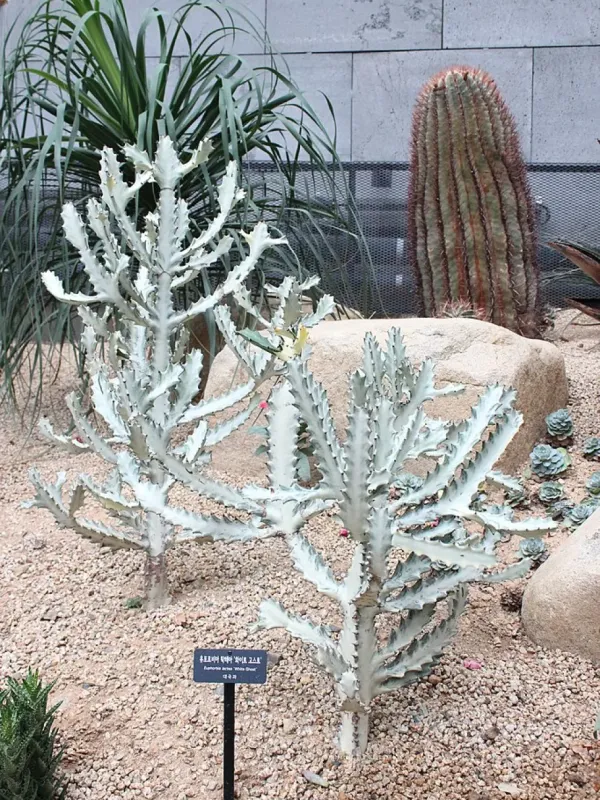
Description
Sowing dates
Euphorbia lacera requires strategic planning for sowing, with early spring being the preferred period for establishing new agricultural plots.
Seed stratification is highly recommended to break dormancy and ensure a uniform germination rate across the planting area under field conditions.
Seeds should be planted at a shallow depth, usually not exceeding 2 centimeters, to allow sufficient light access for successful initial development.
Vegetative propagation using root cuttings can be performed in the autumn, allowing the plants to establish in the soil before the dormant season.
Maintaining appropriate row spacing is crucial to minimize competition and ensure that each plant receives enough sunlight for robust growth.
Growing requirements
The plant thrives in well-drained, sandy or loamy soils, as it is highly sensitive to the prolonged stagnation of water in the root zone.
It prefers sunny locations, as exposure to direct sunlight is essential for the metabolic processes that allow the plant to reach its full size.
Euphorbia lacera is known for its resilience and ability to withstand periods of drought, thanks to its specialized anatomical structure.
The ideal soil pH is neutral or slightly acidic; very alkaline or heavy clay soils are generally unsuitable for productive cultivation of this species.
Consistent care, including moderate weeding during the early stages of development, is necessary to prevent invasive weeds from overtaking the crop.
Yield
The productivity of Euphorbia lacera is largely dependent on environmental conditions, particularly the amount of solar radiation received during the season.
Field trials indicate that consistent moisture management during the budding stage significantly enhances the total biomass harvested per hectare.
Maximum yields are typically achieved in the second year, once the perennial root system has fully matured and expanded in the prepared substrate.
Harvesting efficiency relies on the use of mechanical equipment that can cleanly cut the stems without damaging the core root structure of the plant.
Overall economic yield depends on the careful drying process that ensures the retention of valuable bioactive compounds in the harvested material.
Main diseases and pests
Root rot is the most common threat to this species, primarily caused by improper irrigation practices or poor soil drainage in the plantation area.
Aphids represent the primary insect pest, often clustering on new growth and reducing the plant's vigor if left unmonitored during the spring.
Fungal pathogens such as powdery mildew may develop if the plantation has high humidity levels or poor air circulation between the established rows.
Integrated pest management strategies are recommended, focusing on early detection and the use of targeted biological controls where possible.
Regular monitoring of plant leaves for discolorations or spotting is essential to catch and mitigate potential disease outbreaks before they spread.
Harvesting
The timing of the harvest is critical and must coincide with the peak flowering period to ensure the highest concentration of active compounds.
Workers must wear protective clothing and gloves, as the milky sap of the plant is caustic and can cause significant skin irritation upon direct contact.
Post-harvest handling requires immediate transfer of the material to a dry, shaded area to prevent enzymatic degradation of the harvested tissues.
Drying must be performed in layers to allow for adequate airflow, ensuring that all moisture is removed before the final packaging process begins.
Proper storage conditions, including cool and dry environments, are necessary to maintain the quality of the harvested produce for extended periods.