
Euphorbia lacei
Euphorbia lacei
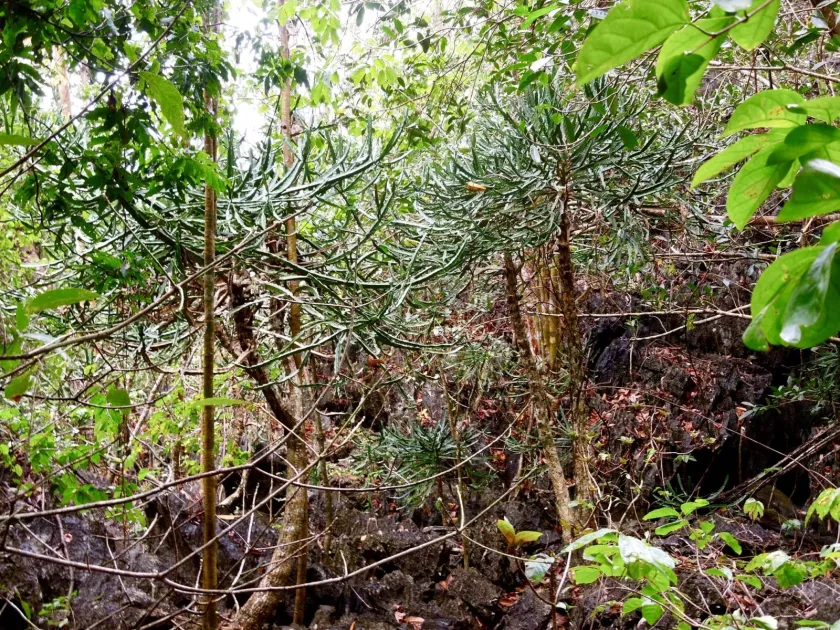
Description
Sowing dates
Euphorbia lacei belongs to the Euphorbiaceae family and is known for its succulent growth habit. Propagation is typically conducted via seeds or stem cuttings, which are the most common methods used in professional nursery settings.
Seed germination requires a warm environment with temperatures consistently held between 20 and 25 degrees Celsius. The sowing medium must be highly porous to allow rapid water drainage, preventing moisture-related failures during the delicate sprouting stage.
When using cuttings, it is imperative to allow the wound to callous for several days before placement in the soil. This practice prevents the entry of pathogenic fungi through the latex-filled vessels that characterize this genus.
Optimal sowing occurs during the spring season to capitalize on the increasing daylight duration, which is crucial for the development of sturdy, healthy seedlings before the heat of mid-summer.
In industrial-scale operations, trays with individual cells are preferred. This method reduces root disturbance during transplanting and ensures more uniform plant growth across the entire production area.
Growing requirements
As a species adapted to arid environments, Euphorbia lacei requires high light intensity. Adequate exposure to full sun or bright filtered light is essential to maintain the structural integrity and growth rate of the plant.
Water requirements are relatively low compared to traditional crops. A "soak and dry" irrigation cycle is recommended, ensuring the soil profile dries completely between watering sessions to avoid root asphyxiation.
Soil composition should ideally be sandy or gritty with excellent aeration. Compacted soils restrict oxygen availability and increase the risk of decay, which is the leading cause of mortality in this species.
Temperature management is a critical factor for success. Euphorbia lacei is strictly sensitive to frost and cold-induced damage, necessitating indoor cultivation or greenhouse protection in temperate climate zones.
Humidity management is equally important. While the plant thrives in warmer climates, stagnant air combined with high humidity can trigger fungal issues. Consistent ventilation is necessary to keep the foliage dry.
Main diseases and pests
The most significant threats to Euphorbia lacei are root and stem rot diseases, typically caused by Pythium or Phytophthora species proliferating in waterlogged soil conditions.
Insects like mealybugs and spider mites represent the primary pest threats. These pests flourish in arid, indoor conditions where natural predators are absent, often hiding in crevices between succulent stems.
Integrated pest management strategies should focus on early detection. Regularly checking the base of the plant and the growth tips for signs of webbing or white waxy secretions is essential for intervention.
If an infestation is confirmed, appropriate horticultural oils or systemic insecticides may be applied. However, caution is advised as succulent tissues can be sensitive to high concentrations of chemical sprays.
Sanitation practices are the best defense. Removing dead plant matter and ensuring that no debris remains on the soil surface effectively reduces the habitat available for pests and potential fungal spores.