
Euphorbia knuthii
Euphorbia knuthii
Description
Growing requirements
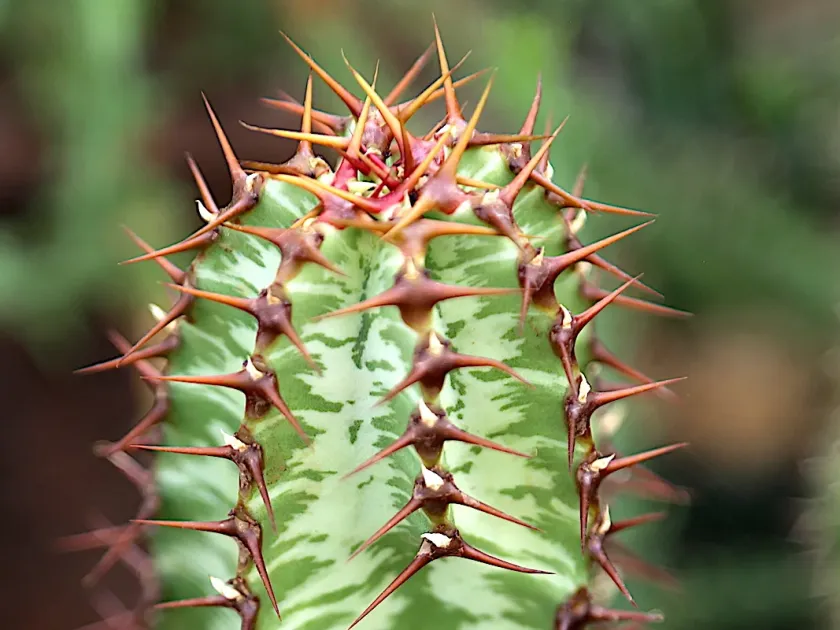
Euphorbia knuthii is a remarkable succulent belonging to the Euphorbiaceae family, native to the arid landscapes of South Africa. It is characterized by its distinct caudex and branching stems, making it a highly sought-after species for succulent enthusiasts and collectors.
The plant thrives in well-drained, gritty soil mixes that mimic its natural habitat. It is essential to ensure that the potting medium is porous and lean, with high mineral content to facilitate efficient water drainage and prevent the roots from rotting.
Climate requirements for Euphorbia knuthii center on high light intensity and stable temperatures. It requires a bright, sunny location to maintain its compact growth form and prevent etiolation, which is common in low-light indoor environments.
During the growing season, the plant benefits from regular, deep watering followed by a complete drying of the soil. Conversely, during the winter dormancy period, the plant should be kept almost dry and in a cool environment to mimic its natural cycle.
Propagation is primarily achieved through stem cuttings or seeds, though cuttings require a period of drying to callous before being placed in a suitable rooting substrate to prevent infection by soil-borne pathogens.
Main diseases and pests
Root and stem rot remain the primary threats to the health of Euphorbia knuthii. These issues are almost exclusively caused by overwatering or the use of substrates with inadequate drainage properties, which lead to permanent damage of the plant's tissue.
Pests such as mealybugs and spider mites are frequent invaders in indoor collections. These pests colonize the crevices of the stems and the base of the plant, drawing nutrients and causing deformities in the growth pattern.
Management of pests involves the use of specialized contact or systemic insecticides. Regular inspections and proper airflow within the growing space are critical to reducing the likelihood of severe infestations or the spread of fungal diseases.
As with all members of the Euphorbia genus, the plant produces a toxic, milky latex sap. This substance is an irritant, requiring careful handling and the use of protective gloves to avoid skin or eye contact during maintenance or pruning tasks.
Maintaining a clean and hygienic growing environment is essential for prevention. Ensuring that tools are sanitized before pruning and that the plant has adequate ventilation will minimize the risk of bacterial and fungal outbreaks across the collection.