
Euphorbia kamerunica
Euphorbia kamerunica
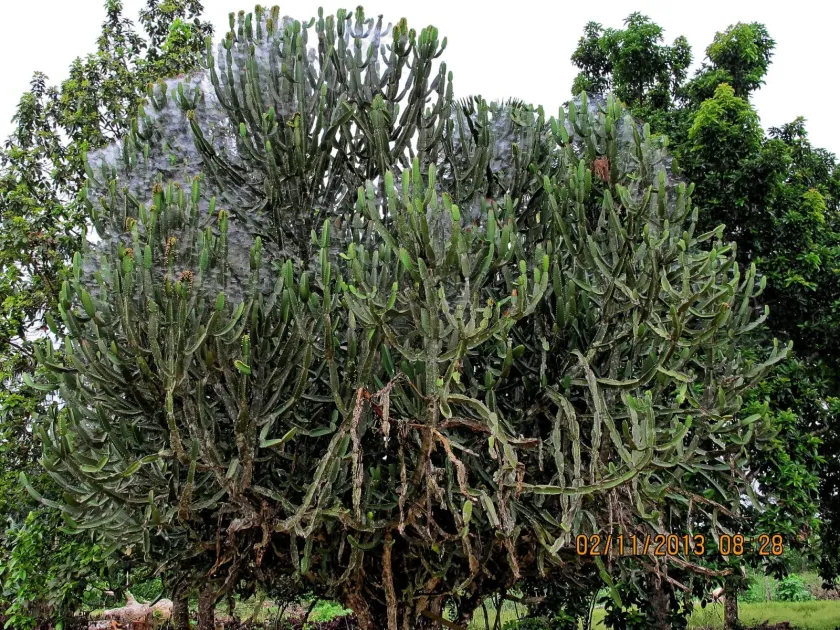
Description
Growing requirements
Euphorbia kamerunica is a distinctive succulent belonging to the Euphorbiaceae family. It is native to the arid and semi-arid regions of Central and West Africa, where it thrives in harsh environmental conditions.
The plant requires extremely well-draining soil to mimic its natural rocky habitat. Standard potting mixes must be amended with grit, sand, or perlite to ensure that moisture does not accumulate around the roots.
Light intensity is critical for the development of Euphorbia kamerunica. It demands full sun exposure for several hours a day to maintain its structural integrity and prevent etiolation of the stems.
Temperature requirements are strictly tropical. The species cannot survive in freezing temperatures and thrives when ambient temperatures remain warm throughout the entire year.
Economically, this plant serves as a vital component in regional ecology. It is often employed as a protective barrier hedge in agricultural settings to delineate plots and protect crops from intrusion.
Main diseases and pests
The primary threat to the health of this species is root and stem rot. This condition is almost exclusively caused by overwatering or poor drainage systems in the cultivation area.
Common pests include mealybugs and spider mites. These insects tend to congregate in the protected areas of the succulent stems, where they extract sap and leave behind wounds susceptible to infection.
The plant produces a milky latex sap that is highly caustic. This substance is a natural chemical defense, but it poses a physical hazard to handlers during pruning or maintenance tasks.
Proactive management involves monitoring the soil moisture levels and ensuring that the plant is not kept in a stagnant, humid environment that promotes fungal growth.
Integrated pest management strategies should be applied to control outbreaks, emphasizing the use of safe contact insecticides during the active growth season to ensure plant vigor.