
Euphorbia insularis
Euphorbia insularis
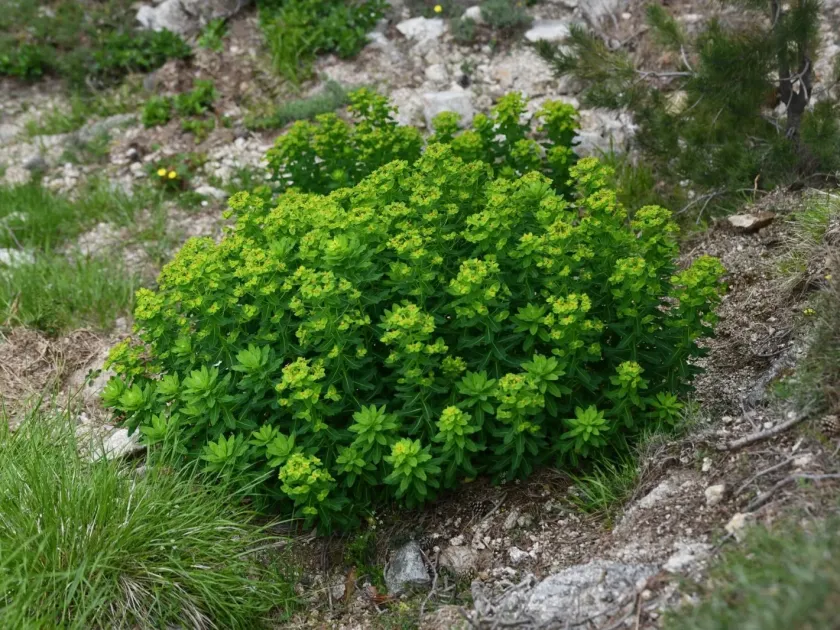
Description
Sowing dates
Euphorbia insularis is an endemic plant requiring careful handling during the sowing process. Seeds exhibit varying germination rates, making fresh seeds a priority for successful cultivation in controlled environments.
For optimal results, sowing should occur in a porous, well-draining substrate. A mix of sand and peat moss works best to replicate the well-ventilated soil conditions found in the natural habitat of this unique species.
The ideal temperature for germination is between 20°C and 25°C. Consistent heat helps break seed dormancy, while supplemental lighting ensures that the young seedlings develop sturdy stems without stretching excessively.
Depth of planting is crucial; seeds should be covered with only a very thin layer of medium, as they often require light to initiate the germination cycle. Lightly misting the surface helps maintain the necessary moisture without soaking the soil.
Once seedlings have sprouted, maintaining a proper balance between humidity and ventilation is critical. Young specimens are prone to damping-off disease if the air around them becomes stagnant, so spacing is essential.
Growing requirements
Belonging to the Euphorbiaceae family, this plant is inherently adapted to high-light environments. It thrives best in full sun, where its metabolic processes can function at their peak efficiency throughout the growing season.
The soil profile must be predominantly mineral-based. The plant requires excellent aeration at the root level; compacted or heavy clay soils will inevitably lead to root rot and long-term decline in plant health.
While tolerant of periodic dry spells, Euphorbia insularis appreciates consistent moisture during its active growth phase. However, water should never accumulate in the root zone, necessitating a high-quality drainage system.
Climate requirements for this species are specific, favoring moderate temperatures without drastic fluctuations. Extreme cold is highly detrimental, and the plant should be protected from temperatures dropping below 10°C.
Fertilization should be handled with caution. A balanced, low-nitrogen liquid fertilizer applied sparingly during the growing season is sufficient to support development without promoting weak, succulent growth susceptible to pests.
Main diseases and pests
The primary threat to the health of this species is fungal infection caused by root saturation. Species like Fusarium can be devastating, moving quickly through the stem tissues if the soil remains excessively damp.
Spider mites are the most common pest observed in cultivation. These arachnids thrive in low-humidity environments, damaging the plant's surface by sucking fluids, which causes the foliage to lose its natural luster and vigor.
Root mealybugs can silently compromise the plant's structural integrity. These pests are often found hidden near the base of the stem or within the root ball, causing stunted growth and increased sensitivity to environmental stress.
Powdery mildew may occur if ventilation is inadequate. Ensuring that the foliage dries quickly after watering and maintaining a slight breeze around the plants significantly reduces the risk of this common fungal pathogen.
Proactive management includes regular monitoring for early signs of distress. Removing affected leaves or disposing of entire infected plants is necessary to prevent the spread of pathogens throughout the agricultural site.
Harvesting
Harvesting Euphorbia insularis requires specific protocols, especially concerning the collection of plant materials. Seeds should be gathered just as the seed capsules begin to brown, preventing loss through natural dehiscence.
When extracting latex or other tissues for agricultural or research purposes, workers must wear appropriate protective gear. The sap is a known irritant and can cause significant dermatitis upon contact with skin or eyes.
After collection, the plant matter should be dried in a ventilated area away from direct sunlight. This controlled drying process is vital to preserve the chemical constituents of the sap and prevent molding of the organic material.
Storage of the processed materials must take place in moisture-controlled environments. High-quality paper or breathable fabric bags help maintain the integrity of the harvest, preventing fermentation or chemical degradation over time.
Finally, keeping detailed records of harvest times and environmental conditions helps optimize future yields. Understanding the plant's cycle is key to sustainable exploitation and the successful long-term cultivation of this specialized species.