
Euphorbia inaguaensis
Euphorbia inaguaensis
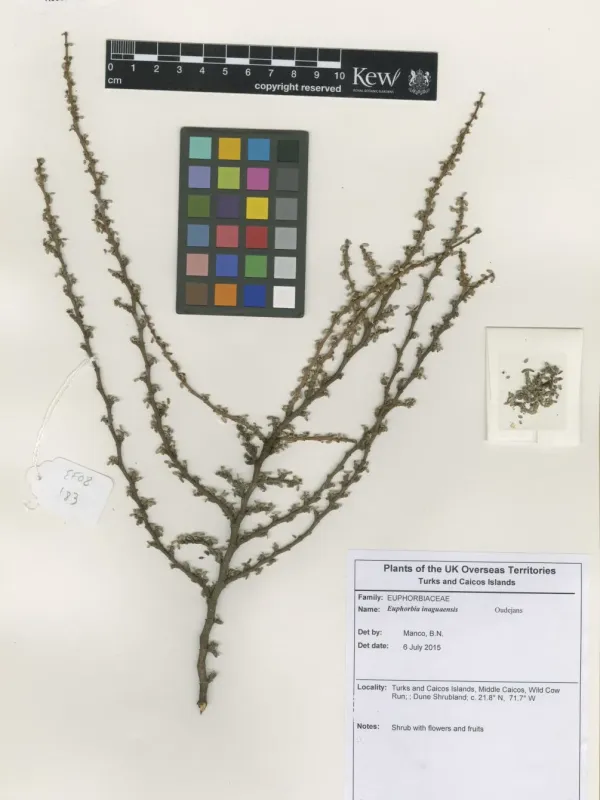
Description
Growing requirements
Euphorbia inaguaensis is a distinctive succulent species belonging to the Euphorbiaceae family. It is an endemic plant native to the island of Great Inagua in the Bahamas, which dictates its specific environmental requirements and conservation status in agricultural and botanical contexts.
The plant has evolved to thrive in arid, limestone-rich habitats. In cultivation, it demands a highly porous and well-draining substrate to replicate its natural environment, effectively mimicking the drainage properties of rocky tropical terrain.
Exposure to full, unfiltered sunlight is essential for the healthy development of this species. Its physiological structure is adapted to high light intensity, and insufficient sun leads to weak, spindly growth that fails to exhibit the species' characteristic dense morphology.
The thermal requirements for Euphorbia inaguaensis are strictly tropical. The plant requires consistent warmth and is highly susceptible to chilling injury, making it unsuitable for outdoor cultivation in temperate regions without controlled environments.
Regarding water management, the species follows a classic succulent growth cycle. It necessitates significant drying periods between irrigation events to prevent root asphyxiation and rot, which remain the primary physiological hazards in a cultivation setting.
Main diseases and pests
Pathogenic threats for Euphorbia inaguaensis are predominantly fungal in nature, usually triggered by improper moisture levels. Root rot and stem rot are the most frequent causes of plant loss, often resulting from excessive humidity or waterlogged soil conditions.
Pest management focuses largely on mealybugs and spider mites. These pests thrive in the warm, dry conditions preferred by the plant and can cause significant tissue damage if left unchecked, potentially serving as entry points for bacterial infections.
Integrated pest management strategies are advised, starting with physical monitoring and the removal of localized infestations. Chemical interventions should utilize systemic products that are safe for use on thin-skinned succulent tissues to avoid chemical burning.
Environmental stability is the best defense against threats. Maintaining proper air circulation around the plants significantly reduces the risk of fungal proliferation and helps keep mite populations under control by avoiding stagnant air.
Given the rarity of this species, growers must be vigilant about sanitation. Tools must be disinfected between use, and any signs of decline should be addressed by inspecting the root system, which is often the silent epicenter of most health-related issues in this species.