
Illyrian spurge
Euphorbia illirica
Description
Growing requirements
The Illyrian spurge (Euphorbia illirica) is a perennial herbaceous plant belonging to the Euphorbiaceae family. It is native to the Balkan Peninsula and surrounding regions, where it typically colonizes open grasslands and rocky slopes.
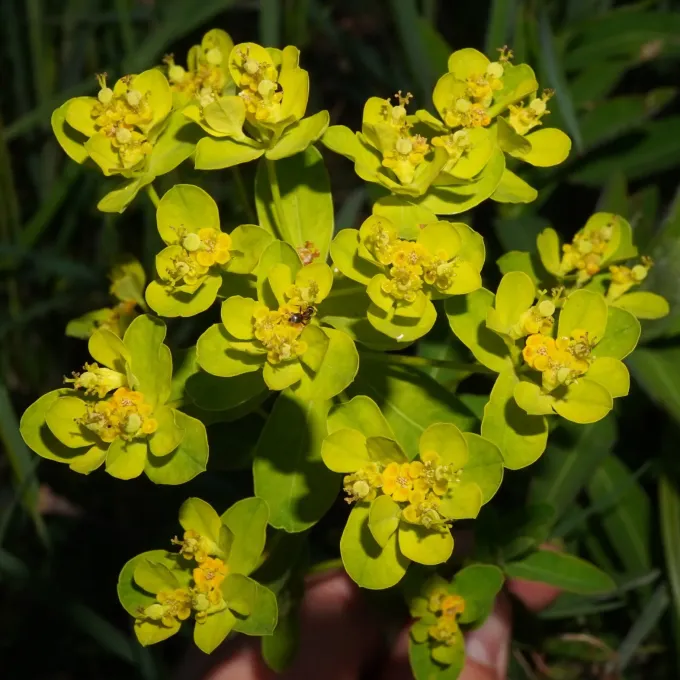
Botanically, this species is defined by its erect stems and distinct cyathia, which are characteristic of all spurges. It is a highly resilient plant that thrives in environments where many other species struggle due to high solar exposure and limited rainfall.
Soil requirements for Euphorbia illirica are specific: it demands well-draining, calcareous, or neutral soil. It is particularly unsuited for compacted or waterlogged soils, as poor aeration in the root zone is the primary cause of sudden plant decline.
In terms of climate, the plant is adaptable to various temperate zones but performs best in regions with warm, sunny summers. While drought-tolerant, it will produce more vigorous growth if supplemental water is provided during the initial establishment phase.
Cultivation practices should focus on maintaining low competition from surrounding weeds. Due to its deep root system, it is advisable to choose a permanent planting location early on, as the plant does not respond well to frequent transplanting or root disturbance.
Main diseases and pests
The most common disease threat for the Illyrian spurge is fungal root rot, frequently exacerbated by irrigation methods that keep the soil surface constantly wet. Promoting air circulation and maintaining proper spacing are essential preventive measures.
Insect pests include various aphids and leaf-eating beetles. While the toxic milky sap of the spurge serves as a natural deterrent against many herbivores, specific pests can still cause significant damage to the floral structures during the spring bloom.
In humid areas, plants may be susceptible to powdery mildew during late summer. Using appropriate fungicides or ensuring the plant is in a breezy, open location can effectively reduce the incidence of this condition.
Monitoring the soil pH is also a form of threat prevention, as overly acidic conditions can weaken the plant, making it more vulnerable to opportunistic pathogens that would otherwise not affect a healthy individual.
As with all members of the Euphorbia genus, the milky sap can cause severe skin irritation and is toxic if ingested. Agricultural handlers must wear appropriate protective clothing, gloves, and eye protection during trimming or maintenance operations.