
Hybrid Spurge
Euphorbia hybrids
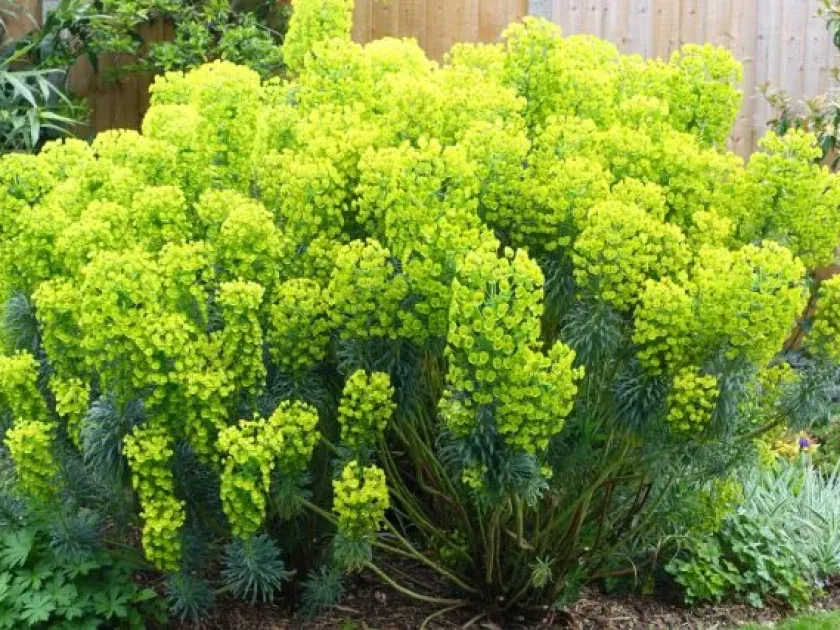
Description
Growing requirements
Hybrid Spurge belongs to the Euphorbiaceae family and represents a diverse group of cultivars bred for ornamental and resilient characteristics. These plants possess a distinct architectural appearance, making them highly desirable for modern landscape cultivation.
The cultivation of these plants requires well-draining soils with excellent aeration. They thrive in sunny locations but can tolerate partial shade, provided they receive enough light to maintain their structural integrity and typical leaf coloration.
Regarding climate, Hybrid Spurge is generally adaptable to temperate zones, requiring protection from extreme frost during the winter months. Adequate spacing is essential to prevent moisture accumulation and ensure optimal air circulation around the plants.
Agricultural management involves periodic fertilization with balanced slow-release nutrients. It is crucial to monitor water levels, as Euphorbia hybrids are particularly susceptible to root rot in saturated, poorly drained soil conditions.
The economic value of this crop lies in its versatility within horticultural design. It is frequently used for border plantings and drought-tolerant gardens due to its low maintenance requirements and robust growth cycle.
Main diseases and pests
Common pests affecting Hybrid Spurge include aphids, spider mites, and mealybugs. These organisms can cause significant damage to the foliage and stems if left unchecked, often leading to stunted plant growth.
Fungal pathogens such as gray mold (Botrytis) and various types of root rot represent the most significant disease threats. These are primarily associated with high humidity levels and poor soil drainage.
Preventative practices are fundamental for successful cultivation. Maintaining proper plant hygiene, avoiding overhead irrigation, and ensuring appropriate plant spacing effectively minimize the risk of disease outbreak.
Integrated pest management (IPM) strategies, including the use of targeted insecticides and monitoring, are recommended. It is vital to use chemical treatments cautiously to avoid damaging the beneficial insect population.
Regular monitoring of the entire plantation is necessary to identify early signs of stress or infestation. Rapid intervention and the removal of infected plant material are standard protocols for maintaining a healthy crop.