
Euphorbia hispida
Euphorbia hispida
Description
Growing requirements
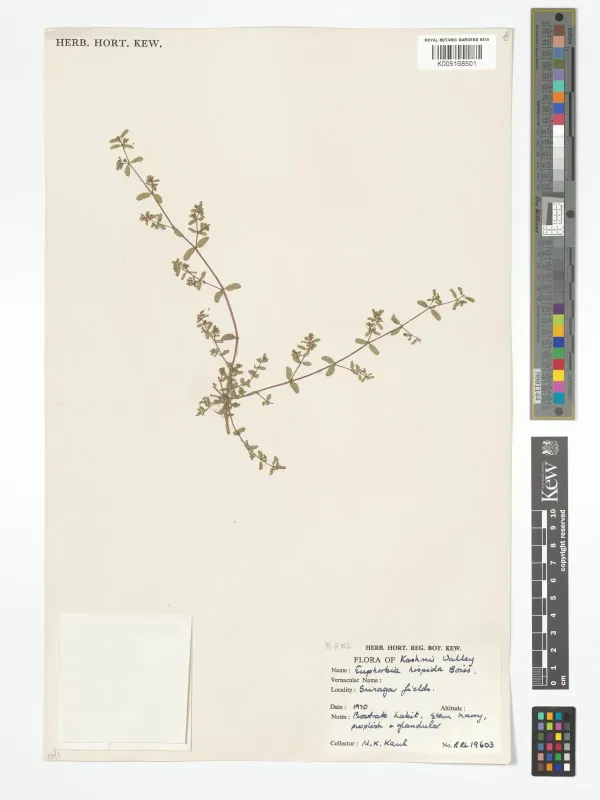
Euphorbia hispida belongs to the family Euphorbiaceae and is a distinct perennial succulent plant. Its botanical structure is optimized for water retention, featuring specialized tissues that allow the species to thrive in harsh environments characterized by low precipitation.
The plant originates from arid geographical regions, which dictates its high demand for solar radiation. In agricultural settings, it requires high-intensity light levels to maintain its physiological health and prevent the etiolation of its succulent stems.
Soil requirements for this species are strict, necessitating well-draining substrates with an airy structure. The integration of inorganic materials like coarse sand or pumice is essential to prevent water accumulation near the root system, which is a common cause of failure.
Climate conditions should mimic the plant's native habitat, favoring warm temperatures during the growth phase and a distinct cool, dry period during dormancy. Maintaining a consistent temperature above the frost threshold is vital for the survival of the culture.
The primary economic use of Euphorbia hispida is within the ornamental sector and xeriscaping projects. Its unique aesthetic traits, including the specific texture of its growth, make it highly valuable for specialized horticultural collections and landscape designs.
Main diseases and pests
The most prevalent diseases affecting this crop are associated with fungal pathogens thriving in moist conditions. Stem rot is the primary physiological threat, typically resulting from improper irrigation techniques that keep the growing medium saturated for too long.
Pest management focuses on controlling common succulent parasites such as mealybugs and spider mites. These pests tend to colonize the crevices of the plant, extracting nutrients and causing physical damage that can open entry points for secondary bacterial infections.