
Euphorbia heyneana
Euphorbia heyneana
Description
Growing requirements
Euphorbia heyneana is a species belonging to the Euphorbiaceae family. In an agricultural context, it is recognized as a weed species that frequently interferes with the productivity of arable lands in its native range.
The plant thrives in open, sun-drenched environments with well-drained soil. It exhibits high adaptability to various soil compositions, including sandy and nutrient-poor soils, making it a persistent colonizer of disturbed sites.
Its natural geographical range is centered in South Asia. The plant prefers regions with warm, tropical or subtropical climates, showing exceptional resilience to prolonged dry spells and high temperatures.
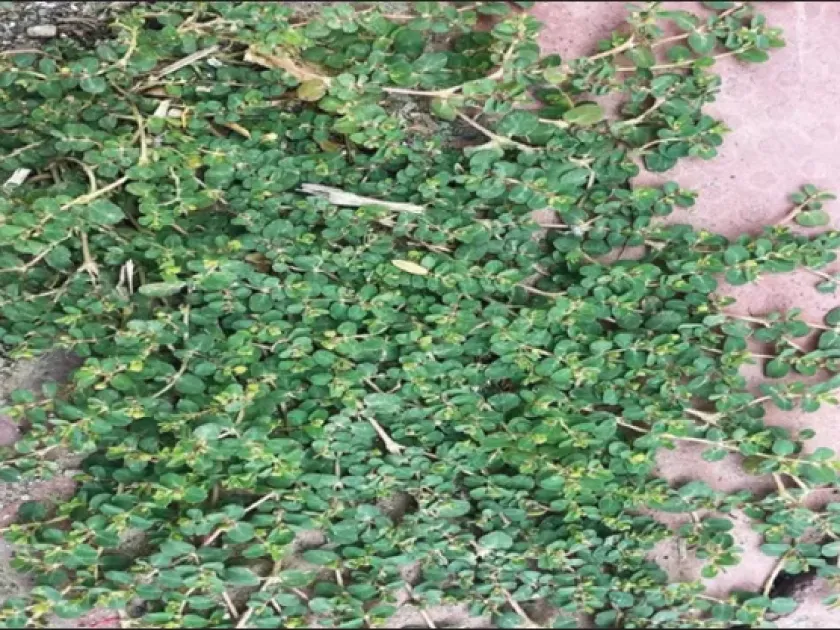
Botanically, it is identified as a prostrate or low-growing herb with spreading stems. The leaves are typically arranged in an opposite pattern, and like most members of its family, it contains a milky latex that acts as a chemical defense mechanism.
The economic impact of this species is largely detrimental. It competes with crops for moisture and sunlight, and its toxic latex poses a significant health hazard to livestock grazing in contaminated pasture areas.
Main diseases and pests
The primary management challenge for this species is its aggressive growth habit and extensive root system, which allows it to recover rapidly from mechanical weeding operations.
While the plant is generally resistant to many common pathogens, it functions as a reservoir for various viral diseases. These viruses can be easily transmitted to primary agricultural crops by insect vectors prevalent in the area.
Specific insect pests and mites might colonize the plant, but they rarely provide effective biological control. Therefore, reliance on natural enemies is not a viable strategy for managing this weed in farming operations.
Chemical control involving systemic herbicides is often necessary to eradicate established patches. Application must be timed accurately to ensure the chemical reaches the root system effectively.
Prevention strategies involve maintaining vigorous crop stands and strict field hygiene. Removing individuals before seed set is essential to minimize the seed bank in the soil and prevent subsequent infestations.