
Euphorbia heteropodum
Euphorbia heteropodum
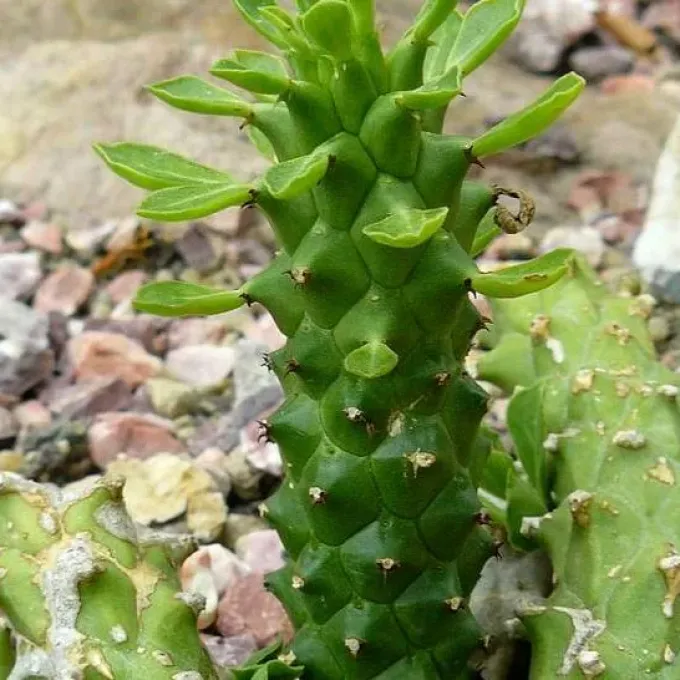
Description
Growing requirements
Euphorbia heteropodum is a unique succulent species belonging to the Euphorbiaceae family. Originating from arid regions of Africa, it has evolved to thrive in harsh environments characterized by low rainfall and high exposure to sunlight.
The plant exhibits distinct botanical features, primarily a fleshy, water-storing stem that allows it to survive long periods of drought. Its growth habit is compact, making it an ideal candidate for greenhouse cultivation and indoor succulent collections.
The success of this crop depends heavily on soil drainage. A mineral-rich substrate containing pumice, gravel, and minimal organic matter is essential. Poor drainage typically leads to rapid root rot, which is the most common cause of crop failure.
Regarding climate, the plant requires bright, indirect to direct sunlight. During the growing season, it prefers temperatures ranging from 20 to 30 degrees Celsius. In colder months, the plant enters a period of dormancy and must be kept in a dry and cool environment.
Its commercial value lies in its aesthetic appeal for specialized nursery markets. Cultivators should focus on providing consistent air circulation and strictly avoiding overwatering, as the species is highly susceptible to moisture-induced diseases.
Main diseases and pests
Root rot is the primary threat to the viability of Euphorbia heteropodum. This condition is almost exclusively caused by overwatering or the use of heavy, water-retaining soils that inhibit the roots' ability to "breathe" between irrigation cycles.
Mealybugs are the most common pests found on this succulent. They tend to cluster in the creases of the stem, feeding on the plant's sap and weakening its overall structure. Routine inspections and swift treatment with systemic insecticides are necessary.
Spider mites can also cause significant damage, especially in dry greenhouse conditions. These pests thrive in stagnant air, so maintaining proper ventilation is an effective preventive measure to stop their population growth.
Scale insects are another potential risk for the crop, forming hard protective covers on the stems. If detected, they should be removed physically, and the affected areas treated with appropriate disinfectants or mild insecticides to prevent infection.
Any injury to the stem triggers the release of a caustic white latex sap. Because this sap can facilitate the entry of pathogens, cultivators must treat any mechanical damage immediately to prevent the spread of opportunistic bacterial or fungal infections.