
Euphorbia heterodoxa
Euphorbia heterodoxa
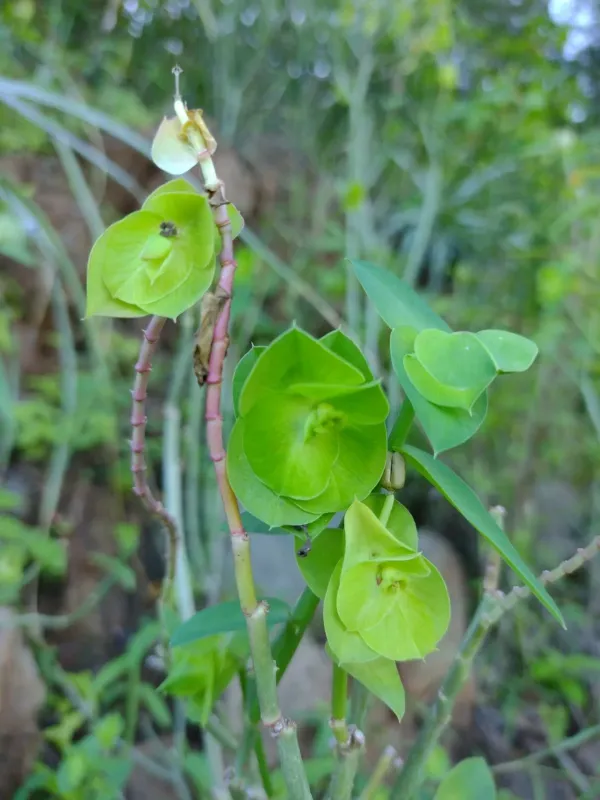
Description
Growing requirements
Euphorbia heterodoxa is a perennial succulent belonging to the Euphorbiaceae family. Originating from Brazil, this plant is well-adapted to tropical climates and requires specific environmental conditions to thrive.
The plant grows best in well-draining, sandy or rocky soils. It is highly intolerant of waterlogged conditions, as high moisture levels in the root zone quickly lead to fatal decay of the plant tissues.
Regarding climate, Euphorbia heterodoxa demands high sunlight intensity and warm temperatures. It is sensitive to sudden drops in temperature, especially cold nights, which can compromise its health and reduce its growth potential.
Watering practices must be disciplined: the soil should be allowed to dry out between watering intervals. During the dormant period, water requirements decrease significantly, and the plant should be kept relatively dry to ensure its survival.
Handling this plant requires caution due to its toxic latex. The sap, if it comes into contact with human skin, can cause irritation and inflammation. Protective equipment, including gloves, is essential during any cultivation or handling procedure.
Yield
The primary agricultural interest in Euphorbia heterodoxa lies in its potential for pharmaceutical applications. The plant serves as a source of complex secondary metabolites and resins used in research and drug development.
Yield, in the context of this culture, is measured by the biomass and the quality of the chemical compounds extracted from the plant. Maximizing these requires controlled environmental conditions and balanced nutrition.
Cultivation is carried out in specialized environments where every stage of growth is monitored. The commercial success of the crop depends on achieving a high concentration of active substances in the succulent stems.
Harvesting techniques are specialized and require professional safety standards. Since the raw material is processed for its active compounds, post-harvest handling is critical to maintaining the chemical integrity of the plant extracts.
Continued efforts in standardizing growing conditions are crucial for stable production. As a specialized crop, it offers distinct potential for the pharmaceutical sector, provided that the supply chain is managed professionally.
Main diseases and pests
Root rot is the most common threat to Euphorbia heterodoxa, typically triggered by poor drainage or excessive irrigation. Fungal pathogens exploit these conditions to infect the vascular system of the succulent.
Pests such as spider mites and mealybugs are frequent problems in greenhouse or indoor environments. These insects pierce the surface of the plant to feed on its sap, which can cause severe stress and spread secondary viral infections.
Integrated pest management is recommended for maintaining healthy crops. This includes using systematic fungicides for fungal outbreaks and appropriate acaricides or insecticides to manage pest populations effectively.
Proactive monitoring is essential to detect early symptoms of infection, such as changes in stem color or structural softening. Immediate removal of affected parts or isolation of infected plants is necessary to prevent widespread damage.
Ensuring clean working tools and using sterile potting media help minimize the risk of spreading pathogens. Proper ventilation and air circulation also play a significant role in reducing the prevalence of fungal threats.