
Euphorbia herbacea
Euphorbia herbacea
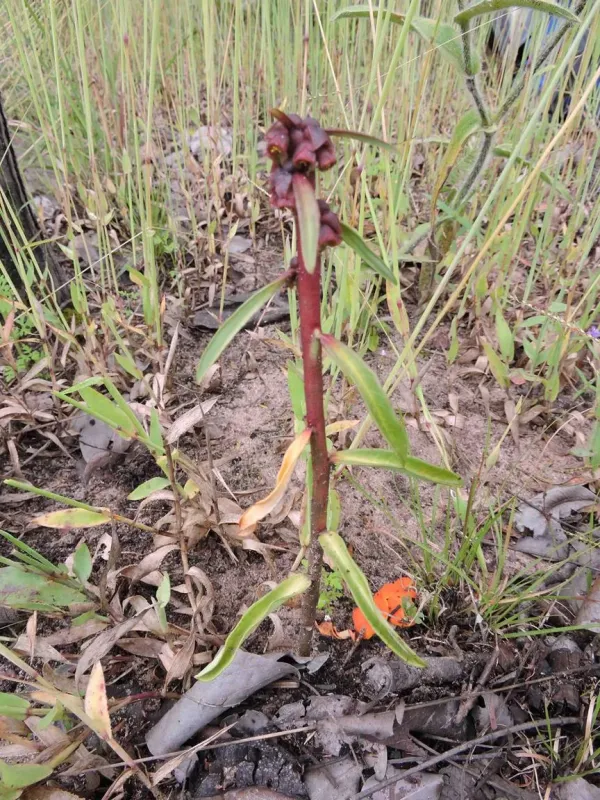
Description
Growing requirements
Euphorbia herbacea is a perennial plant belonging to the Euphorbiaceae family, recognized in agricultural settings as a persistent and difficult-to-control weed. It thrives in diverse environmental conditions and is known for its resilience.
The plant demonstrates a strong preference for well-lit environments and adapts to a wide range of soil types, from sandy to clay-loam structures. Its deep-rooted system allows it to withstand significant periods of drought by accessing subsoil moisture.
Originating from parts of Eurasia, this species has spread throughout various agricultural regions, frequently infesting grain crops and fallow lands. It is highly competitive, often outperforming crops for essential soil nutrients and water.
The biological structure of the plant includes specialized tissues that produce a toxic milky latex, which acts as a deterrent for many herbivores. This characteristic makes the plant unpalatable and potentially harmful to livestock if ingested in large quantities.
Ecologically, Euphorbia herbacea exhibits high plasticity, allowing it to survive in different climatic zones. Its ability to regenerate from deep rhizomes makes it particularly challenging to manage through standard soil cultivation practices alone.
Main diseases and pests
The primary threat posed by this species is its aggressive vegetative reproduction. Mechanical disturbances, such as plowing, can inadvertently fragment the root system, leading to a wider distribution of the weed across the cultivated field.
Euphorbia herbacea acts as a reservoir for various viral pathogens and pests, potentially serving as a primary source of infection for neighboring crop species. Maintaining clean field margins is essential to prevent the spread of these issues.
In terms of pest management, specific insects often associated with spurge species may migrate into nearby crops. Integrated pest management strategies are therefore necessary to mitigate the risks posed by these associated organisms.
Chemical control focuses on the application of systemic herbicides. The most effective timing for treatment is during the active growth phase, which ensures that the active ingredients are translocated down into the root system to prevent regrowth.
Cultural control practices include crop rotation with competitive species and the use of fallow management techniques. By exhausting the energy reserves stored in the roots through repeated cultivation or shading, the density of the weed population can be minimized over time.