
Euphorbia heptagona
Euphorbia heptagona
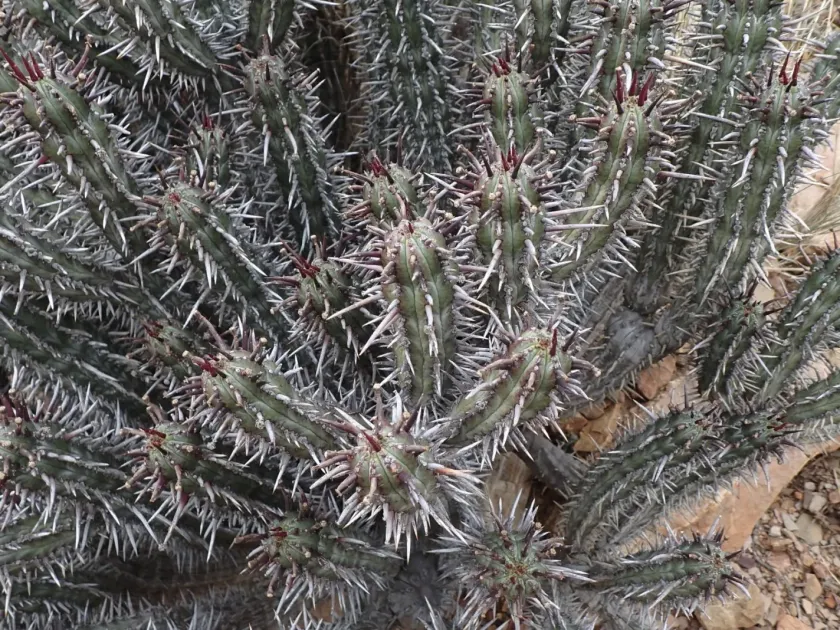
Description
Growing requirements
Euphorbia heptagona is a succulent shrub belonging to the Euphorbiaceae family. Native to South Africa, it is widely recognized by botanists and succulent collectors for its striking architectural shape and persistent thorny growth habit.
The plant features a columnar stem structure with typically seven ribs, which gives it its specific name. It is a slow-growing species that can reach significant heights under ideal conditions, making it a popular choice for conservatory and greenhouse collections.
Regarding light requirements, this species needs full, direct sun to maintain its compact shape and vibrant health. In lower light, the plant will become etiolated, losing its structural integrity and becoming more susceptible to pathogens.
Soil requirements are strict: the substrate must be highly porous and fast-draining. A typical cactus mix amended with coarse sand, pumice, or expanded clay is essential. Poor drainage is the most common cause of failure when cultivating this species.
Temperature management involves keeping the plant in a warm environment during the growing season (20-25 degrees Celsius). During winter, it enters a dormant phase where temperatures should be dropped to encourage rest, while keeping the soil dry to prevent root decay.
Main diseases and pests
Root rot is the most serious threat, usually induced by overwatering or soil that stays damp for too long. Proper aeration and careful adherence to a seasonal watering schedule are the best preventions against fungal degradation of the root system.
Mealybugs are the most persistent insect pests for Euphorbia heptagona. They tend to congregate in the crevices between the ribs, where they are protected from contact insecticides, making systemic treatments highly recommended for effective control.
Spider mites can also attack the plant, especially in dry and poorly ventilated indoor environments. Their feeding leads to discolored patches on the epidermis, which can be permanent. Increasing airflow is a key preventive measure against mite outbreaks.
Scale insects are another potential issue that can infest the stems of the plant. Since they are protected by a waxy shell, manual removal combined with systematic chemical control is the most effective approach for management.
The plant contains a toxic, milky latex that acts as a natural defense mechanism. Any physical injury to the stem triggers the release of this sap, which is highly irritating to skin and toxic to mucous membranes. Always handle the plant with protective gear.