
Euphorbia helwigii
Euphorbia helwigii
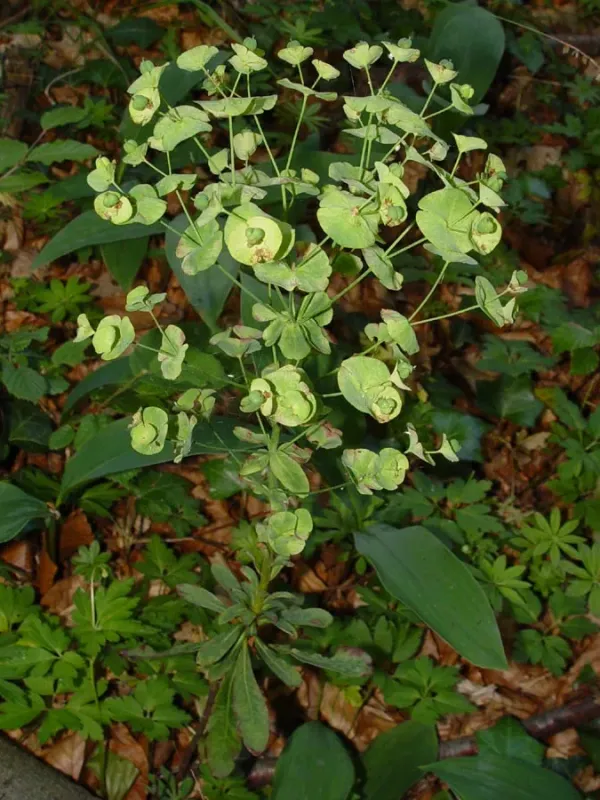
Description
Growing requirements
Euphorbia helwigii is a perennial herbaceous plant belonging to the diverse Euphorbiaceae family. It is recognized for its unique structural characteristics, typical of the genus Euphorbia, featuring robust stems and distinctive foliage.
Botanically, the species is adapted to well-drained environments. The plant's internal anatomy produces a milky latex, which serves as a biological defense against herbivory and minor mechanical damages, making it a relatively low-maintenance option.
Optimal growing conditions involve a sunny or semi-shaded exposure. While the plant shows remarkable tolerance to poor soil quality, it performs best in well-aerated, sandy-loam soils that prevent water stagnation around the root crown.
Climate requirements for this culture are centered on moderate temperature ranges. It is well-adapted to temperate zones where it can benefit from distinct seasonal shifts, provided it receives protection from extreme frost and excessive winter moisture.
In agricultural and landscaping contexts, Euphorbia helwigii is utilized for its structural stability and low demand for water. It serves effectively in xeriscaping and sustainable garden designs, requiring little more than basic weed control and periodic pruning.
Main diseases and pests
The primary threats to Euphorbia helwigii involve fungal pathogens stimulated by excessive humidity. Diseases such as root rot can cause rapid decline if the soil drainage is inadequate or if the planting site is prone to flooding.
Pest pressure is generally low due to the toxicity of the plant's sap. However, aphids and spider mites may occasionally colonize the foliage during prolonged hot, dry spells, requiring localized treatment with appropriate miticides or soaps.
Effective disease management relies on cultural practices such as ensuring adequate airflow between specimens. Proper spacing is essential to reduce the humidity around the base of the plant, thereby discouraging fungal proliferation.
Sanitation practices should include the removal of senescent tissues at the end of the growth cycle. This reduces the reservoir for overwintering fungal spores, promoting a healthier start for the plant in the subsequent spring season.
Nutrient management contributes significantly to pest resistance. Supplying balanced doses of minerals ensures the plant maintains vigorous cell development, which naturally deters common insect pests from successfully establishing feeding colonies.