
Helenian spurge
Euphorbia heleniana
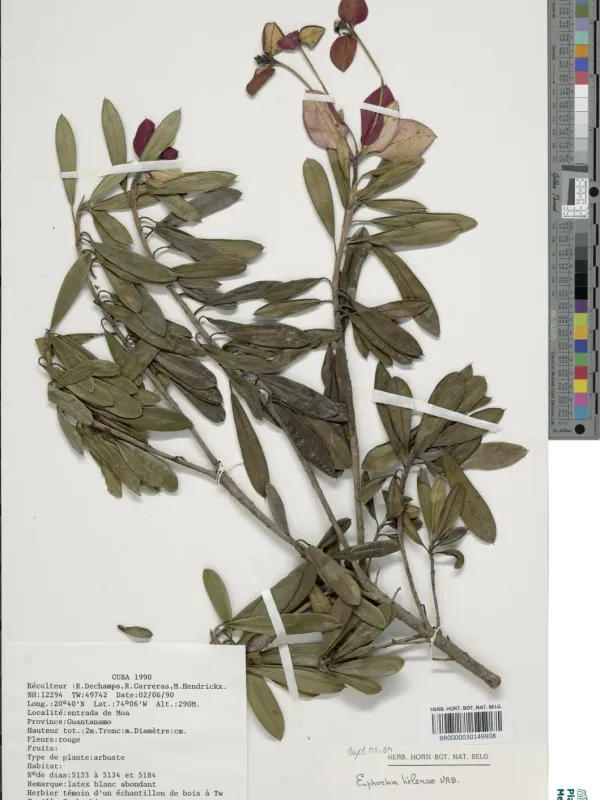
Description
Sowing dates
Helenian spurge, belonging to the Euphorbiaceae family, is a specific species that requires precise conditions for seed germination. Sowing is typically carried out in spring when the soil temperature reaches a stable level of at least 15-18 degrees Celsius.
Successful germination requires stratification of the seed material, which significantly improves emergence rates and the vigor of young shoots. The optimal seeding depth is no more than 1-2 centimeters, taking the seed size into account.
A crucial factor during sowing is selecting a location with high light intensity, as the plant is extremely demanding regarding insolation from the moment of emergence. Using light, well-drained substrates during the initial stage helps minimize the risk of seed decay.
Sowing density is calculated based on the intended use of the plantation and the requirements for further mechanized maintenance. It is recommended to maintain a row spacing of at least 40-50 centimeters to ensure proper air circulation.
Crop rotation when growing this plant requires an interval of at least 3-4 years before returning to the same plot to prevent the accumulation of specific soil-borne pathogens.
Growing requirements
The crop has high requirements for soil texture, preferring sandy or loamy soils with excellent water permeability. Stagnant moisture is detrimental to the plant's root system, leading to rapid rotting.
Helenian spurge is characterized by high drought resistance, typical for many members of the Euphorbia genus; however, it requires moderate, regular watering during the active growth phase.
The plant prefers neutral or slightly alkaline soils. High humus content has a positive effect on growth rates, although the culture is capable of thriving on nutrient-poor plots as well.
Climatic conditions should match a moderately warm regime without sharp temperature fluctuations during critical development phases. In cold climates, the crop requires protection or greenhouse cultivation.
The required lighting level is a critical parameter, as Helenian spurge quickly loses its vitality and decorative appeal in low-light conditions, which ultimately reduces the final biomass yield.
Yield
The productivity of Helenian spurge stands depends on the intensity of fertilization and the quality of maintenance. Under industrial conditions, biomass yield can vary significantly based on planting density.
Harvesting raw material for medicinal or technical purposes is usually carried out during the period of maximum accumulation of active substances, which most often coincides with the flowering phase.
When all agronomic regulations are followed, the yield of dry matter per hectare can reach several tons, making the crop economically viable provided there is a stable market demand.
Yield stability directly depends on the uniformity of irrigation during the first two months after transplanting to the permanent site. Humidity fluctuations can lead to premature leaf drop.
An important aspect of yield management is the high-quality separation of plant fractions, as the milky sap requires careful processing and specialized logistics during transportation.
Main diseases and pests
The main danger to the crop is root rot, which arises from poor drainage and excessive soil moisture. This makes strict control over the irrigation schedule a key aspect of plant protection.
Among pests, various species of aphids and spider mites can cause the most damage, as they actively develop on the plant under conditions of low air humidity and poor ventilation.
Powdery mildew often affects Helenian spurge during sharp fluctuations between day and night temperatures, making preventive treatment with fungicides mandatory in high-risk areas.
Nematodes can damage the root system in light soils, lowering the plant's overall immunity and its resistance to other negative external environmental factors.
Disease prevention includes strict adherence to phytosanitary standards: removal of plant debris, the use of healthy planting material, and consistent weed control throughout the field.
Harvesting
Harvesting of Helenian spurge is performed in dry weather to prevent the harvested material from rotting during the subsequent drying process. A stem-cutting method at a specific height is typically used.
Primary processing consists of immediate drying of the raw material in well-ventilated facilities or specialized industrial dryers under a strictly controlled temperature regime.
Mechanized harvesting requires equipment adjustment for a gentle operating mode, as the plant's stems and leaves are fragile and can easily be damaged, leading to quality loss.
Personnel must strictly follow safety protocols during harvesting, as the milky sap of many Euphorbia species is toxic and can cause irritation to the skin and mucous membranes.
Sorting the harvest is carried out immediately after collection to separate high-quality commercial raw material from mechanical impurities and damaged plant parts to ensure maximum market value.