
Euphorbia helenae
Euphorbia helenae
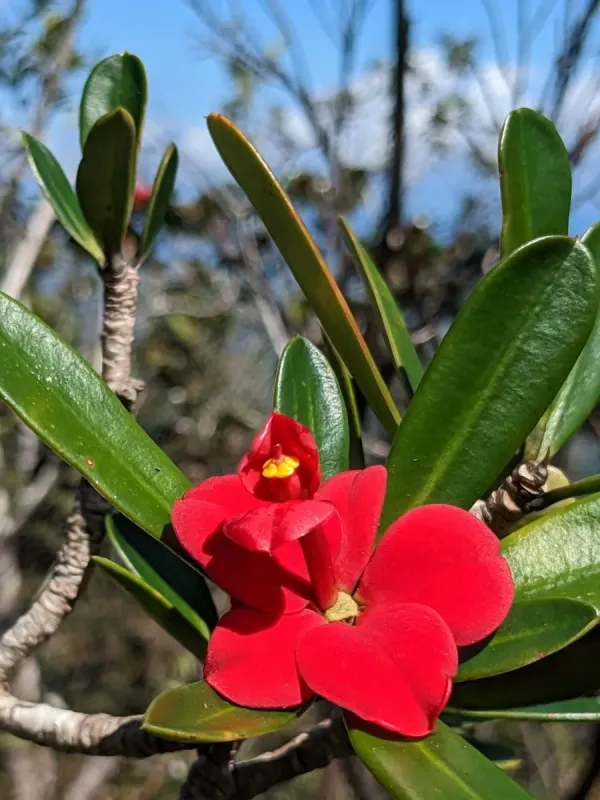
Description
Sowing dates
Euphorbia helenae is a distinctive perennial belonging to the Euphorbiaceae family, widely recognized for its succulent growth pattern. Its cultivation requires specific environmental conditions to mirror its natural habitat.
Propagation is typically achieved through stem cuttings. These cuttings must be harvested during the active growth phase in late spring and allowed to callus for several days before planting to ensure success.
For optimal planting, it is recommended to use a sterile, porous substrate. This ensures that the base of the cutting does not succumb to moisture-related rot during the critical root-forming stage.
Space requirements vary based on the intended use; however, adequate spacing is essential to facilitate air circulation, which is a key factor in preventing fungal infections in succulent species.
Successful planting relies on a steady increase in daylight exposure following the initial acclimatization period, which encourages strong, healthy vegetative development.
Growing requirements
The culture thrives in full sun exposure. High light intensity is necessary to maintain the plant's structural integrity and avoid etiolation, which is common in low-light environments.
Soil requirements focus on extreme drainage. Sandy or stony soils with low organic matter content are preferred to replicate the nutrient-poor, well-draining conditions of the plant's native range.
Temperature control is essential. Euphorbia helenae requires warm conditions for metabolic activity and should be protected from any frost or sudden temperature drops during the growing season.
Water management is the most critical aspect of the culture. As a succulent, it stores water in its tissues, meaning it requires deep but infrequent watering, allowing the substrate to dry out completely.
Fertilization should be kept to a minimum, using low-nitrogen, high-potassium formulas specifically designed for desert plants to prevent rapid, weak growth.
Main diseases and pests
The primary threats include mealybugs and spider mites, which can cause significant damage to the epidermis, leading to increased susceptibility to secondary infections.
Root rot caused by pathogens like Phytophthora is the most common disease encountered, almost always resulting from overwatering or inadequate soil aeration.
Integrated pest management involves regular visual inspections and the judicious use of contact and systemic insecticides only when pest populations exceed economic thresholds.
Proactive disease management involves maintaining high sanitation standards, such as removing any decaying plant debris from the immediate vicinity of the growing area.
By providing adequate space and ensuring proper light and air flow, the vulnerability to common pests is significantly reduced in healthy, mature stands.