
Euphorbia gymnonota
Euphorbia gymnonota
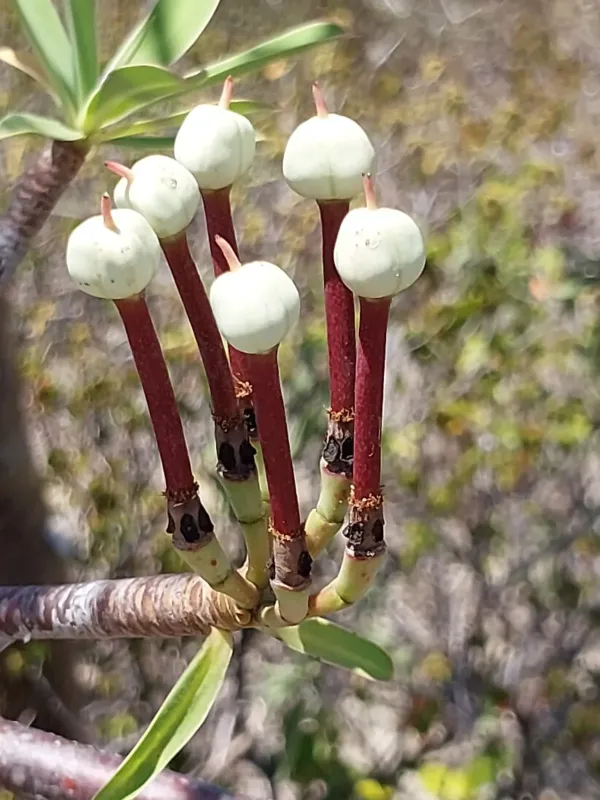
Description
Growing requirements
Euphorbia gymnonota is a distinct species within the Euphorbiaceae family, known for its specific physiological adaptation to arid and semi-arid environments. The plant is characterized by a succulent-like structure and a robust root system.
Native to regions with high solar exposure, this species thrives in well-drained, sandy, or rocky soils. It is particularly sensitive to soil compaction and waterlogging, which can impede its natural growth cycle.
In terms of agricultural management, providing adequate sunlight is the most critical factor for ensuring high quality of harvestable biomass. The plant does not require high levels of fertilization, as it is adapted to nutrient-poor substrates.
The climate requirements include warm growing seasons with moderate precipitation. While Euphorbia gymnonota is drought-tolerant, supplemental irrigation during the seedling establishment phase can significantly enhance yield consistency.
Economic utility is largely driven by the phytochemical profile of the species. Its latex and secondary metabolites are of significant interest for chemical and pharmacological research, requiring specialized extraction methods.
Main diseases and pests
Root rot caused by Oomycetes and various fungal pathogens is the primary threat to Euphorbia gymnonota. Proper field drainage is the fundamental control measure against these diseases.
Pests such as mites and aphids may occasionally infest the plants, particularly in greenhouse conditions. However, the plant's inherent chemical defenses offer significant natural protection against many herbivorous insects.
Viral infections can affect development, often manifesting as foliar chlorosis or stunted growth. Roguing, or the systematic removal of infected individuals, is recommended to contain viral spread within the field.
Effective pest management relies on early detection through frequent scouting. Monitoring the undersides of leaves and the root zone for signs of stress is essential for maintaining crop health.
Applying integrated pest management (IPM) strategies minimizes the need for chemical intervention. Prioritizing biological controls and maintaining soil health ensures the longevity of the plantation.