
Euphorbia guillauminiana
Euphorbia guillauminiana
Description
Growing requirements
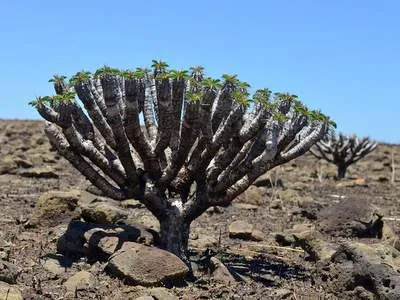
Euphorbia guillauminiana is a distinct succulent species belonging to the Euphorbiaceae family. It is a slow-growing endemic plant originating from the arid, rocky regions of Madagascar, known for its unique architectural form.
Botanically, the plant features a shrubby, succulent habit with distinct ribs and spines. These adaptations are essential for survival in its harsh, nutrient-poor natural environment, allowing it to store moisture effectively for long periods.
For successful cultivation, the plant requires a highly porous, gritty substrate that ensures rapid water drainage. A mix comprising coarse sand, pumice, and a minimal amount of organic matter is ideal for replicating its native habitat conditions.
Light requirements are intensive, necessitating full sun exposure to maintain its compact growth habit and vibrant appearance. During the dormant winter season, the plant should be kept in a cool and dry environment to mimic the seasonal changes in Madagascar.
The primary use of Euphorbia guillauminiana is in specialty succulent collections and botanical garden displays. Its rarity and slow growth make it a highly sought-after specimen for serious plant enthusiasts interested in xerophytic vegetation.
Main diseases and pests
The primary threat to the health of this succulent is root rot caused by improper watering regimes or poorly aerated soil. Maintaining a strict "dry-out" period between waterings is crucial for the survival of the root system.
Pest infestations such as mealybugs can pose a challenge, particularly in the hidden crevices between the plant's ribs. Regular inspection and the use of appropriate chemical controls are recommended to prevent severe damage to the plant's surface tissues.