
Euphorbia guerichiana
Euphorbia guerichiana
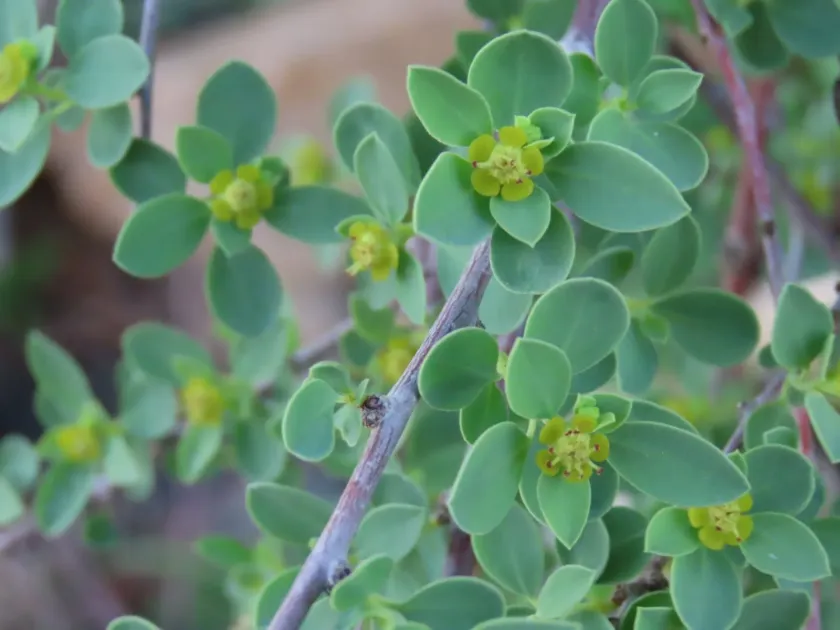
Description
Growing requirements
Euphorbia guerichiana is a distinct succulent shrub belonging to the Euphorbiaceae family. It is characterized by its succulent stems that function as water reservoirs, enabling the plant to survive in harsh arid environments.
The native distribution of this species is concentrated in the dry regions of Southern Africa, particularly Namibia. It thrives in environments where rainfall is scarce and highly seasonal, reflecting its evolutionary adaptation to drought.
Cultivation of this species requires well-draining, sandy, or rocky soil substrates that mimic its natural habitat. The soil should never remain waterlogged, as the root system is highly susceptible to hypoxia and rot.
High levels of solar radiation are essential for the healthy growth of Euphorbia guerichiana. In low-light conditions, the plant loses its structural integrity and becomes prone to etiolation, which compromises its health.
The agricultural approach for this crop involves a controlled irrigation regime that prioritizes dryness over moisture. It is strictly a warm-climate species, and any exposure to freezing temperatures will lead to tissue damage and death.
Main diseases and pests
Root rot, primarily caused by fungal pathogens in the soil, remains the most significant threat to the survival of Euphorbia guerichiana. This condition is almost exclusively linked to overwatering or inadequate soil drainage.
Insect pests, specifically mealybugs and spider mites, are common issues in indoor or greenhouse cultivation. These pests thrive in environments with low humidity and poor ventilation, often damaging the surface of the stems.
Bacterial infections can infect the plant through breaks in the epidermis. These pathogens often manifest as localized black lesions that can quickly spread to the vascular system of the succulent if left untreated.
Excessive humidity in the air can lead to fungal spotting on the stems. Maintaining good airflow is critical for preventing these issues, as it helps regulate moisture levels around the plant body.
Effective management involves regular inspections for any signs of pest infestation or soft patches on the stems. If any diseased part is identified, surgical removal and application of systemic fungicides are the recommended treatment methods.