
Euphorbia grandidens
Euphorbia grandidens
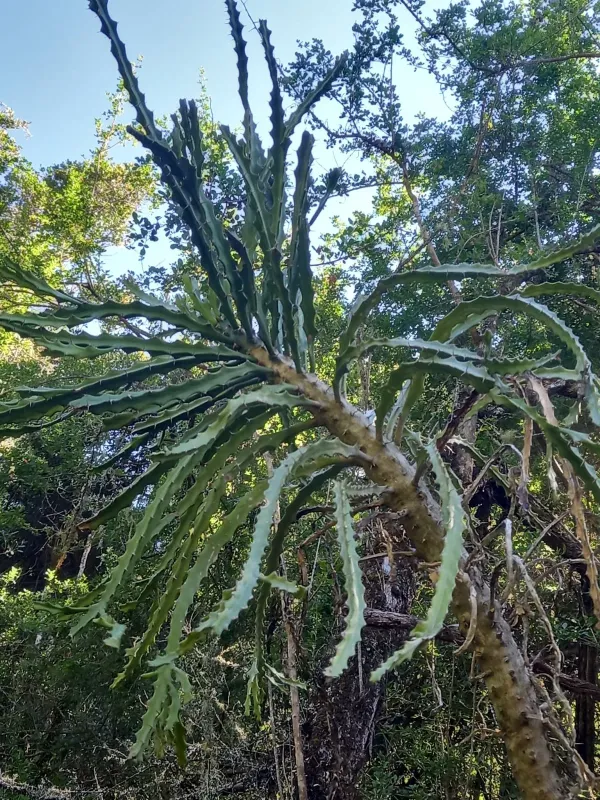
Description
Growing requirements
Euphorbia grandidens is a tree-like succulent belonging to the Euphorbiaceae family. This species is famous for its distinct candelabra-like growth habit, making it an architectural masterpiece in arid garden landscapes and conservatory collections.
The plant originates from the arid regions of Southern Africa. Its natural habitat is characterized by high sun exposure and episodic rainfall, which has equipped the species with specialized physiological traits for extreme drought resistance.
Successful cultivation requires a gritty, well-draining soil mix that prevents water accumulation. Proper aeration is crucial for the root system, as this species is highly susceptible to rot if maintained in dense, heavy soils.
The climate requirements for this plant are strictly warm. It cannot tolerate frost and must be protected from cold temperatures, often necessitating greenhouse or indoor cultivation in non-tropical climates throughout the winter months.
Optimal light exposure is essential for maintaining the health and structural integrity of the plant. A position with maximum sunlight is required, as insufficient light will cause the stems to etiolate and lose their characteristic robustness.
Main diseases and pests
The primary threat to the health of Euphorbia grandidens is fungal infection, specifically root and stem rot caused by overwatering or stagnant moisture. Maintaining a dry, well-ventilated environment is the most effective preventative measure.
Common pests include spider mites and mealybugs, which tend to infest the plant in dry indoor conditions. Early detection and the application of appropriate systemic insecticides can effectively manage these infestations.
Caution must be exercised due to the caustic milky latex contained within the plant's tissues. This sap is toxic and acts as a skin and eye irritant, so safety equipment should always be worn during pruning or handling.
Monitoring the plant for signs of stress or discolouration on the stems is vital for early disease management. Any affected areas should be removed surgically using sterilized tools to prevent further spreading of the decay.
Fertilization should be handled with care, using a balanced, low-nitrogen formula specifically designed for succulents. Over-fertilizing leads to succulent tissue becoming too soft, which in turn makes the plant more vulnerable to sucking pests.