
Slender spurge
Euphorbia gracilior
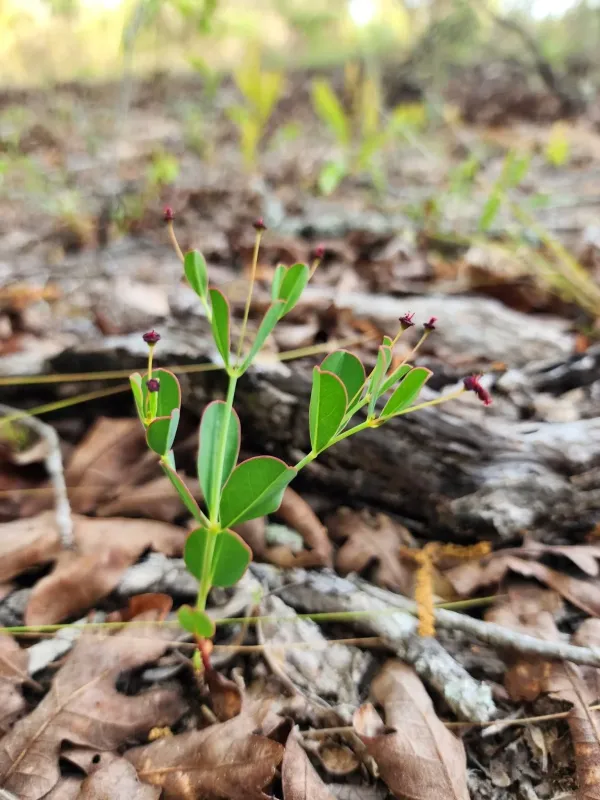
Description
Growing requirements
Slender spurge, known scientifically as Euphorbia gracilior, is a member of the diverse Euphorbiaceae family. This species originates from arid habitats, where it has evolved distinct physiological traits to survive in challenging environments with sporadic rainfall.
Botanically, it is characterized by slender, elongated stems and a succulent habit. Like most members of the genus, it contains a milky latex that acts as a natural chemical defense mechanism against herbivores and environmental pathogens.
The cultivation of Euphorbia gracilior necessitates a well-draining, gritty soil mix. Gardeners or farmers should prioritize substrates that prevent moisture retention around the collar and roots, as high humidity in the soil medium almost invariably leads to root rot.
Light intensity is a critical factor for maintaining the structural integrity of the plant. It requires high levels of bright, direct sunlight to flourish. Insufficient light results in elongated, weak stems that lack the necessary pigment and strength to support the plant's structure.
Temperature management should follow a seasonal cycle. During the growing season, it thrives in temperatures between 20°C and 30°C. A cooler, drier dormant period is essential to prevent physiological stress and encourage healthy growth cycles in the following year.
Main diseases and pests
The most significant threat to Euphorbia gracilior is the onset of various fungal pathogens, predominantly those causing stem and root rot. Excessive irrigation remains the primary cause, creating anaerobic conditions that facilitate the spread of Fusarium species.
Pest pressures primarily include spider mites and mealybugs. These insects thrive in conditions of poor air circulation and low humidity. They typically settle in the protected crevices of the plant's stems, weakening it over time.
Effective management involves consistent monitoring and the use of targeted biological or chemical control agents. When infestations occur, systemic insecticides are often more effective than contact sprays due to the plant's complex stem structure.
Cultural control practices, such as maintaining optimal spacing between plants and ensuring efficient greenhouse ventilation, play a vital role in preventing pest outbreaks and disease spread throughout the crop.
When propagating or handling the plant, care must be taken to prevent damage to the skin, as the milky sap can be an irritant. Using clean, sterilized tools is a mandatory protocol to avoid cross-contamination during maintenance operations.