
Euphorbia glabriflora
Euphorbia glabriflora
Description
Growing requirements
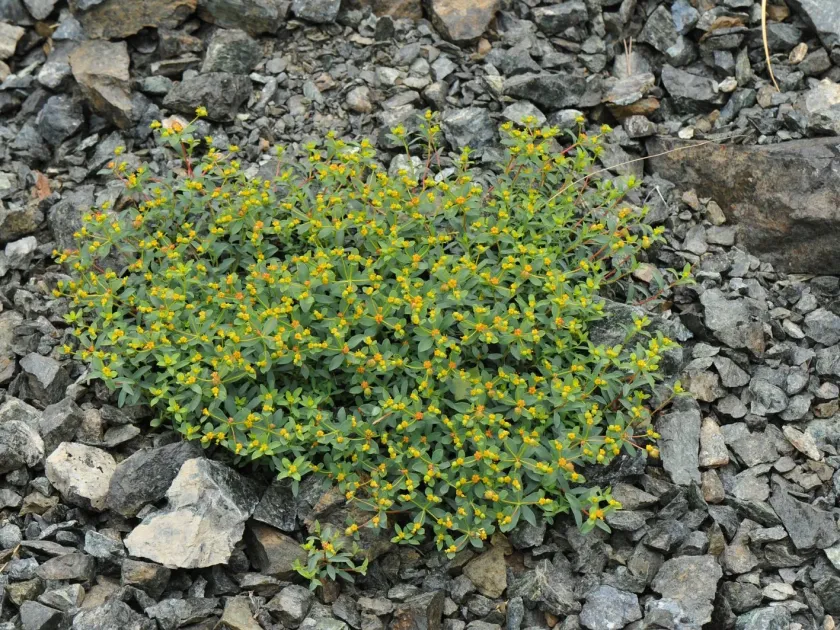
Euphorbia glabriflora is a perennial herbaceous plant belonging to the diverse Euphorbiaceae family. It is native to specific habitats where ecological adaptation to water scarcity has shaped its physiological traits. The plant is easily recognized by its milky latex, a specialized chemical defense system that characterizes most members of this genus.
Botanically, this species is defined by its glabrous (smooth) inflorescences and erect stems that demonstrate significant structural integrity. The leaves are typically lanceolate, arranged in a way that maximizes photosynthetic efficiency under high light intensity. Its deep root system allows it to survive periodic droughts, making it a robust component of its native flora.
When considering site requirements, this culture thrives in well-drained, sandy, or loamy soils with a neutral pH. It is highly intolerant of waterlogging, which often induces root rot and physiological stress. Soil aeration is essential for the healthy development of its subterranean structures, ensuring effective nutrient uptake.
Climate adaptation is a key feature of this plant; it prefers regions with ample sunlight and warm temperatures. It is well-suited for arid or semi-arid environments where it can demonstrate its potential for sustainable biomass production. Consistent exposure to sunlight is crucial for maintaining the plant's metabolic activity and structural development.
The industrial use of Euphorbia glabriflora is primarily focused on the extraction of valuable phytochemicals. Researchers study its terpenoid and flavonoid content for potential applications in pharmaceuticals and medicinal chemistry. Despite its potential, sustainable cultivation requires careful management to avoid environmental leakage and ensure the safety of field operators.
Main diseases and pests
The primary threats to Euphorbia glabriflora include fungal diseases such as powdery mildew, which can proliferate under high humidity conditions. Implementing adequate plant spacing and ensuring good airflow within the canopy are the most effective cultural practices to mitigate these risks.
Pest pressures primarily involve sap-sucking insects such as aphids and spider mites. Regular monitoring of the foliage is necessary to detect early infestations. In modern agricultural settings, biological control agents are often prioritized to maintain the ecological balance of the plantation.