
Euphorbia gayi
Euphorbia gayi
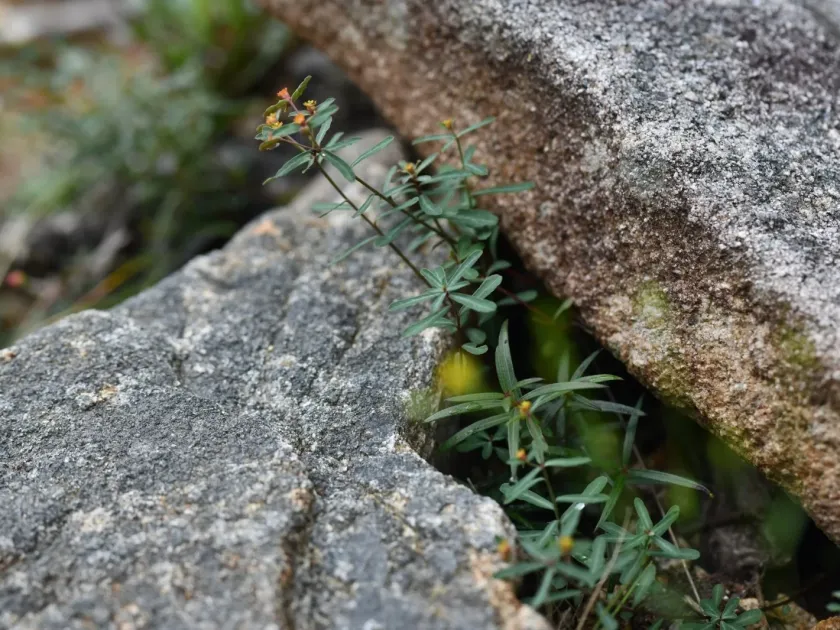
Description
Sowing dates
Euphorbia gayi is typically propagated via seeds or stem cuttings during the early spring. Seed sowing requires a light, well-draining substrate composed primarily of perlite, peat, and coarse sand to ensure proper aeration.
When propagating by cuttings, it is crucial to handle the plant carefully due to its milky latex, which can be irritating. The cut must be allowed to dry for several days before planting to ensure callus formation.
The optimal temperature for seed germination ranges between 22 and 25 degrees Celsius. A consistent, moderate moisture level is required until the seedlings establish their primary root system.
Transplanting should occur once the young plants have developed a sufficient root ball. Using small pots initially helps control soil moisture levels and prevents the substrate from remaining wet for too long.
Young Euphorbia gayi specimens require bright, indirect light to prevent etiolation and promote healthy, compact growth during their first year of life.
Growing requirements
As a member of the Euphorbiaceae family, this species thrives in environments that mimic its natural arid habitats. It demands high light intensity and should be placed in the sunniest location available.
The soil must be inorganic-based, typically a cactus mix amended with additional drainage material. A pH level between 6.0 and 7.0 is generally considered optimal for nutrient uptake.
Watering practices are critical; the "soak and dry" method is recommended. The soil must be allowed to dry out completely before the next irrigation cycle begins to prevent root rot.
Temperature fluctuations should be avoided, especially during the dormant winter period. While the plant can tolerate heat well, it should be protected from temperatures dropping below 12 degrees Celsius.
Fertilization is only necessary during the peak growing season, using a balanced, low-nitrogen liquid fertilizer diluted to half strength once every four to six weeks.
Main diseases and pests
The most significant threat to Euphorbia gayi is root rot, which stems from overwatering or inadequate soil drainage. Signs include yellowing of the stem base and softening of tissues.
Pests like mealybugs and spider mites are common concerns. Mealybugs often hide in the tight clusters of growth, while spider mites thrive in low-humidity environments.
Regular inspection of the plant is the best preventive measure. If an infestation occurs, local application of isopropyl alcohol or a suitable insecticide is usually effective.
Fungal infections can manifest as black or brown spots on the stems. Removing affected parts and applying a fungicide can save the plant if the disease is caught in its early stages.
Environmental stress, such as sudden shifts in light exposure or cold drafts, can cause significant leaf drop and leave the plant vulnerable to secondary infections.