
Euphorbia flavicoma
Euphorbia flavicoma
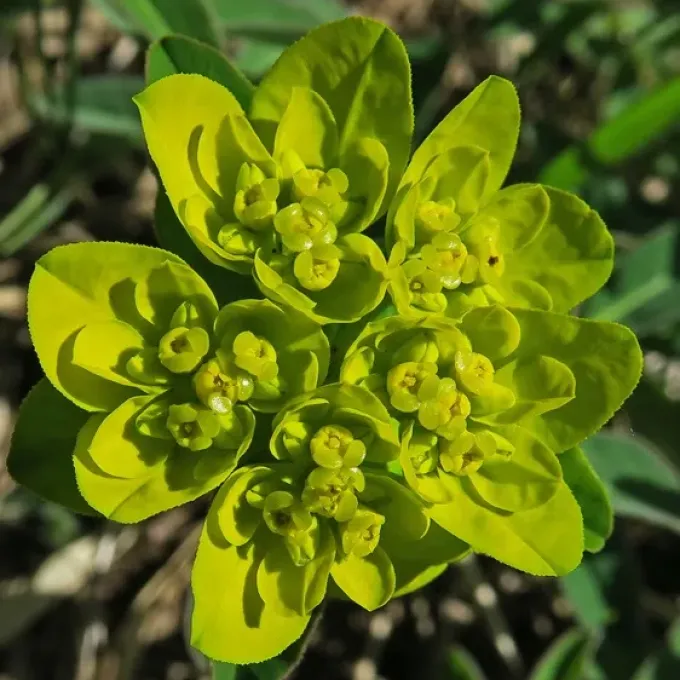
Description
Sowing dates
Sowing Euphorbia flavicoma seeds is most successful when done in the autumn, allowing the seeds to undergo natural stratification throughout the winter months.
If you choose to sow in the spring, it is essential to cold-stratify the seeds in a refrigerator at 0–5 degrees Celsius for about four weeks before planting.
The seeds should be covered with a very thin layer of substrate, no more than 0.5 cm deep, as they require a certain amount of light to germinate effectively.
Using a well-draining, sterile seed-starting mix prevents the risk of damping-off disease, which is common among small-seeded perennial species.
Once seedlings have developed at least two sets of true leaves, they can be carefully transplanted into individual pots to allow the roots to develop fully.
Growing requirements
Euphorbia flavicoma is a distinctive perennial plant belonging to the large and diverse Euphorbiaceae family, known for its unique flowering structures.
This species thrives in sunny locations and requires well-drained, porous soil to mimic its native rocky or sandy natural habitat conditions.
Excessive moisture is the primary enemy of this plant; therefore, soil with high clay content or areas prone to waterlogging should be avoided entirely.
The plant is relatively tolerant of poor soils, making it an excellent candidate for xeriscaping or rocky garden beds where nutrient levels are low.
During the growing season, ensure the plant receives at least six to eight hours of direct sunlight to maintain its compact form and vibrant foliage.
Main diseases and pests
The most significant threat to the health of Euphorbia flavicoma is root rot caused by poor soil drainage and excessive irrigation during cool weather.
Powdery mildew can occasionally affect the foliage if the air circulation around the plants is poor, particularly in humid or stagnant environmental conditions.
Aphids may infest the tender shoot tips during the spring growth flush, which can be managed by using organic insecticidal soaps or manual removal.
Preventative care involves ensuring proper spacing between plants to allow for adequate airflow, which significantly reduces the incidence of fungal issues.
Monitoring the base of the plant for signs of infestation or rot is crucial for early intervention, as damage to the crown is often irreversible.
Harvesting
While primarily grown for ornamental purposes, harvesting parts of the plant requires caution due to the toxic and irritating latex contained within all tissues.
Seed collection is typically done by placing a bag over the flowering heads just before the capsules dry out, as they are known to explode and disperse seeds.
Gloves and eye protection should be worn at all times when handling or pruning the plant to prevent contact with the corrosive sap that can cause severe skin irritation.
Pruning should be performed after the main flowering period has ended, which helps the plant redirect its energy towards foliage health and winter preparation.
Gardeners interested in propagation should focus on collecting seeds once the capsules turn a light brown color, ensuring they are stored in a dry place until sowing.