
Euphorbia fischeriana
Euphorbia fischeriana
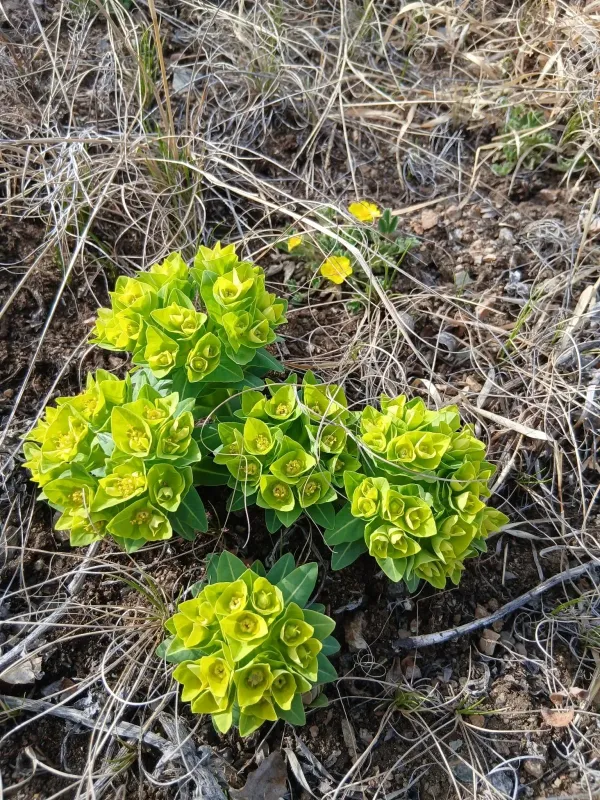
Description
Growing requirements
Euphorbia fischeriana belongs to the Euphorbiaceae family. It is a perennial herbaceous plant known for its thick, branched taproot which serves as the primary source of medicinal raw materials.
The plant originates from the arid and semi-arid regions of Central Asia. It is highly adapted to continental climates with extreme temperature fluctuations and limited precipitation.
Well-drained, sandy, or stony soils are essential for success. The plant cannot tolerate stagnant water, as it quickly leads to root rot and loss of biomass.
Full sun exposure is mandatory. Shade results in elongated, weak stems and significantly reduced quality of the roots, which are the main target of harvesting.
Soil pH should ideally be neutral to slightly acidic. Providing enough space for root system expansion is crucial for obtaining high-quality harvestable material.
Yield
The economic value of this crop is concentrated in its root system, which is rich in phytoestrogens, flavonoids, and various organic compounds used in medicine.
Commercial maturity is usually reached in 3–4 years. Harvesting before this period yields poor chemical quality, while later harvesting may cause the core to become overly woody.
Yield estimation depends on the plant population per hectare. Consistent planting density is key to optimizing the resource use efficiency of the field.
Medicinal applications include immunomodulatory and adaptogenic drugs. The demand for organically grown root materials is steadily increasing in the global market.
Harvesting usually involves mechanical extraction, requiring deep-plowing equipment capable of lifting long roots without causing significant physical damage or fracturing.
Main diseases and pests
Root rot caused by fungal pathogens is the primary threat, especially in soils with inadequate permeability or during seasons with excessive rainfall.
Pests are generally not a major concern due to the toxic milky latex found throughout the plant's tissues, which serves as a potent natural defense.
Weed control is critical only during the establishment phase. Once established, the large, robust foliage of the spurge effectively shades out competing vegetation.
Implementing a proper crop rotation strategy is essential to avoid soil-borne diseases. Avoiding fields previously planted with other Euphorbia species reduces the risk.
Proper sanitation of tools used during the harvest process is important to prevent the spread of diseases from infected patches to the rest of the crop.