
Euphorbia filiflora
Euphorbia filiflora
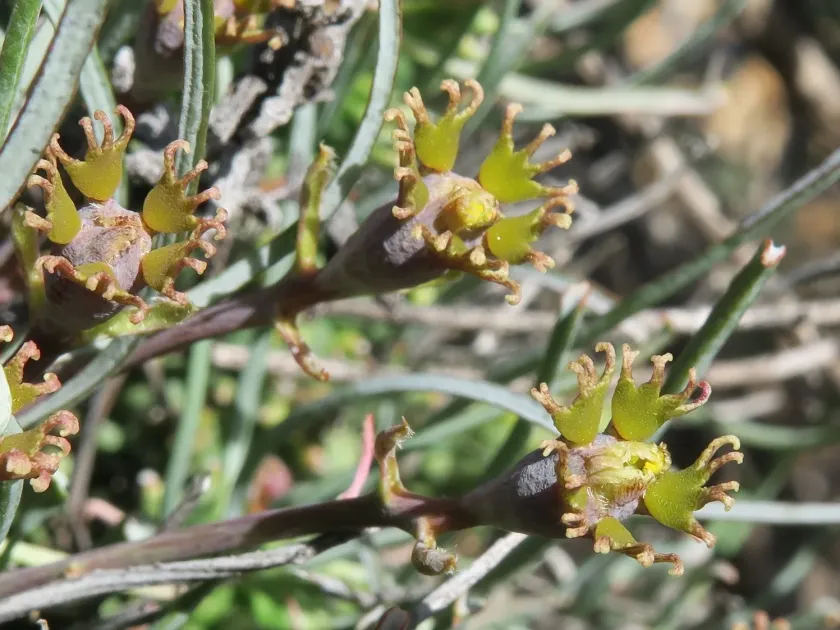
Description
Growing requirements
Euphorbia filiflora is a distinct succulent species belonging to the Euphorbiaceae family, native to the arid environments of the Cape Province in South Africa. It is widely recognized for its unique, caudex-forming growth habit.
The plant features a thickened, woody base that stores water, from which arise numerous slender, thread-like stems. Like most members of this genus, it produces a white, latex-like sap that is toxic and serves as a natural defense mechanism.
Successful cultivation requires a highly porous, inorganic-heavy soil mix that ensures rapid drainage. Water retention in the root zone is the primary cause of failure when growing this species in a domestic environment.
The species thrives under intense light conditions and requires warm temperatures during its active growth phase, typically from late spring to early autumn, followed by a dry, cooler rest period.
Fertilization should be handled with caution; using a low-nitrogen, balanced mineral fertilizer specifically formulated for succulents during the growing season will help maintain the plant's health and structural integrity.
Main diseases and pests
The most significant threat to Euphorbia filiflora is root rot, induced by excess moisture or poor soil drainage, which can rapidly compromise the integrity of the plant's caudex.
Pests such as mealybugs can pose a serious challenge, as they often cluster in the dense branching points of the stems, making manual removal difficult and inefficient.
Spider mites are another common pest in dry, indoor environments, attacking the delicate stems and leading to discoloration and potential loss of the affected stems if not treated promptly.
Preventative care involves ensuring excellent airflow around the plant, which reduces the humidity levels that favor fungal growth and creates a less hospitable environment for most common pests.
Regular monitoring of the soil moisture and the plant’s base is essential to detect early symptoms of distress, allowing for quick intervention with appropriate systemic fungicides or insecticides when necessary.