
Euphorbia erinacea
Euphorbia erinacea
Description
Growing requirements
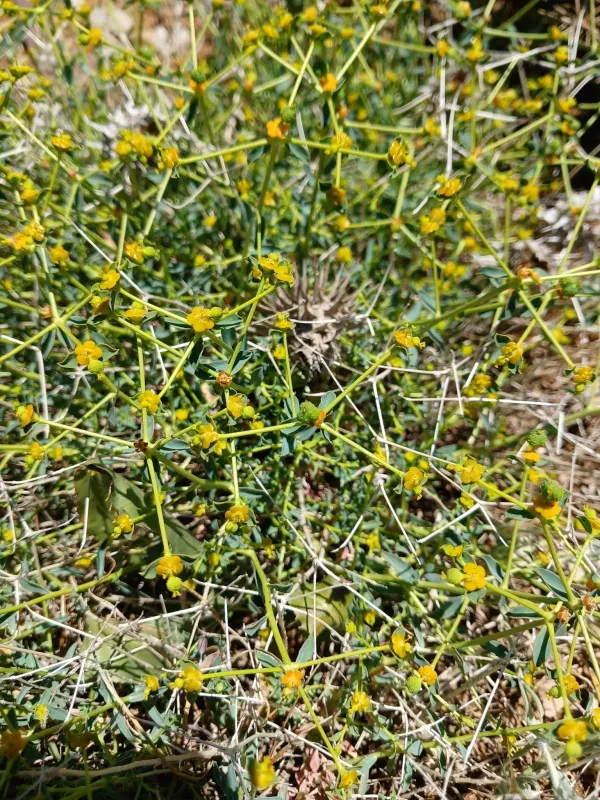
Euphorbia erinacea is a remarkable succulent species belonging to the Euphorbiaceae family. It is native to arid regions where it has evolved into a compact, spiny, cushion-like shrub capable of enduring harsh environmental conditions and long periods of drought.
The plant is defined by its densely branched, semi-woody stems which form a rigid, globose structure. Its spines are actually modified floral stalks that become hardened after the flowering period, providing a structural defense mechanism typical of high-altitude arid flora.
For successful cultivation, a highly inorganic and free-draining substrate is required. The soil mix should prioritize porosity, utilizing a high ratio of pumice, volcanic rock, and coarse sand to ensure that moisture does not remain stagnant around the sensitive root zone.
This species requires high solar irradiance to maintain its tight, globular growth habit. In greenhouse settings, supplemental light or high-intensity sunlight is mandatory to prevent etiolation and to mimic the intense UV exposure found in its natural, high-elevation habitat.
Temperature management should follow a seasonal rhythm. It thrives in warm temperatures during the growth phase but benefits significantly from a cool, dry winter dormancy period, which mimics natural cycles and is essential for the plant to properly initiate its blooming cycle.
Main diseases and pests
Root rot remains the primary physiological threat to Euphorbia erinacea. Due to the high density of its stems, poor airflow combined with moisture trapped in the soil creates an ideal environment for pathogenic fungi to colonize the root neck and base.
Mealybugs represent the most significant pest risk, often nestling deep within the axils of the spiny branches. Their presence can severely weaken the plant and lead to the development of sooty mold, which impairs the plant's ability to photosynthesize effectively.
Effective management involves consistent physical monitoring and the use of systemic insecticides if infestations occur. However, care must be taken to avoid oily or solvent-based sprays that could damage the sensitive outer cuticle of the succulent stems.
The plant contains a white, caustic latex sap that is highly irritating to the eyes and skin. All pruning or handling must be performed with appropriate safety gear to avoid exposure, as the sap is a potent defensive tool that can cause severe allergic reactions in humans.
To reduce disease prevalence, growers should utilize only sterile tools when pruning and maintain an environment with adequate air circulation. Keeping the plant dry during cooler months is the most effective preventative measure against widespread fungal infections.