
Euphorbia enopla
Euphorbia enopla
Description
Growing requirements
Euphorbia enopla is a distinct succulent belonging to the Euphorbiaceae family, native to the arid regions of South Africa. It is a perennial shrub recognized for its architectural structure and resilience to extreme environmental stressors typical of its natural desert habitat.
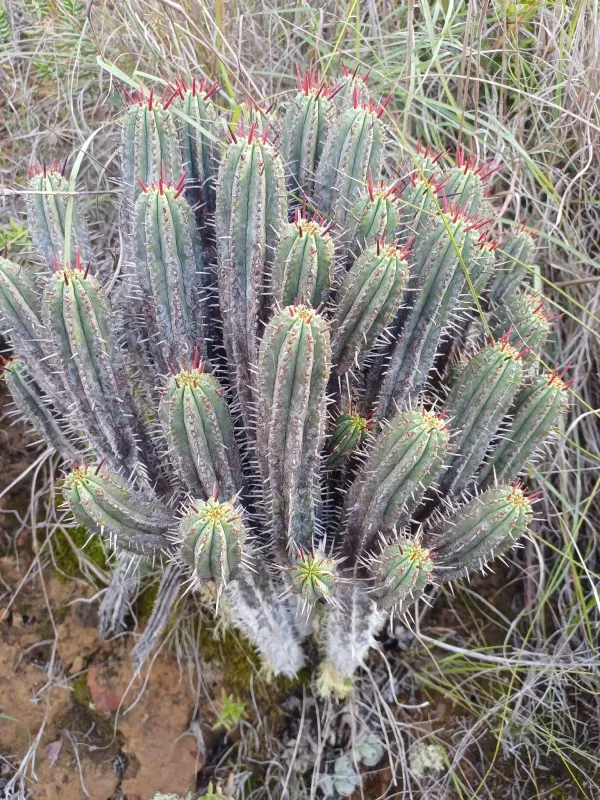
The plant features a columnar stem with deep ribs and dense, stiff, often purple-hued spines. This botanical structure is an adaptation for survival, minimizing surface evaporation and protecting the succulent tissues from herbivores in their native environment.
Climate requirements involve high solar intensity, as this species demands full sun to maintain its compact form and vibrant color. In an agricultural or domestic setting, providing at least 6–8 hours of direct light is essential to prevent etiolation and maintain metabolic health.
Soil composition must prioritize drainage above all else. A professional-grade substrate for this culture usually consists of a mineral-heavy mix, including coarse sand, pumice, and limited organic loam, ensuring the root zone remains aerobic and free from water stagnation.
Agrotechnical management requires a strict irrigation schedule that allows the substrate to dry out completely between waterings. During the dormant winter season, water intake should be significantly reduced or suspended to mimic the natural dry season of its origin.
Main diseases and pests
The primary agricultural threat to Euphorbia enopla is fungal root rot caused by poor soil drainage and excessive moisture. This condition often results in rapid tissue necrosis and systemic failure, necessitating immediate intervention or propagation of healthy stem cuttings.
Common insect pests include mealybugs and spider mites, which thrive in stagnant, warm air conditions. Regular physical inspections and the application of targeted horticultural soaps or systemic pesticides are necessary to maintain plant health and prevent population explosions.
The plant produces a toxic latex sap that poses significant risks to human health upon contact with eyes or skin. Stringent safety protocols, including the use of nitrile gloves and protective eyewear, are mandatory during any pruning or transplanting operations.
Environmental stress, particularly sudden changes in light or temperature, can weaken the plant, making it more susceptible to opportunistic pathogens. Maintaining a stable environment is key to preserving the succulent's natural defense mechanisms against various infestations.
Proper aeration is essential for preventing surface mold and bacterial growth on the stem base. By ensuring good airflow and avoiding overhead watering, cultivators can significantly reduce the incidence of biological threats and ensure the longevity of the plant.