
Euphorbia elegans
Euphorbia elegans
Description
Growing requirements
Euphorbia elegans is a distinct perennial plant species belonging to the family Euphorbiaceae. Native to the mountainous regions of Africa, this succulent has adapted to survive in challenging environments characterized by high light intensity and seasonal rainfall patterns.
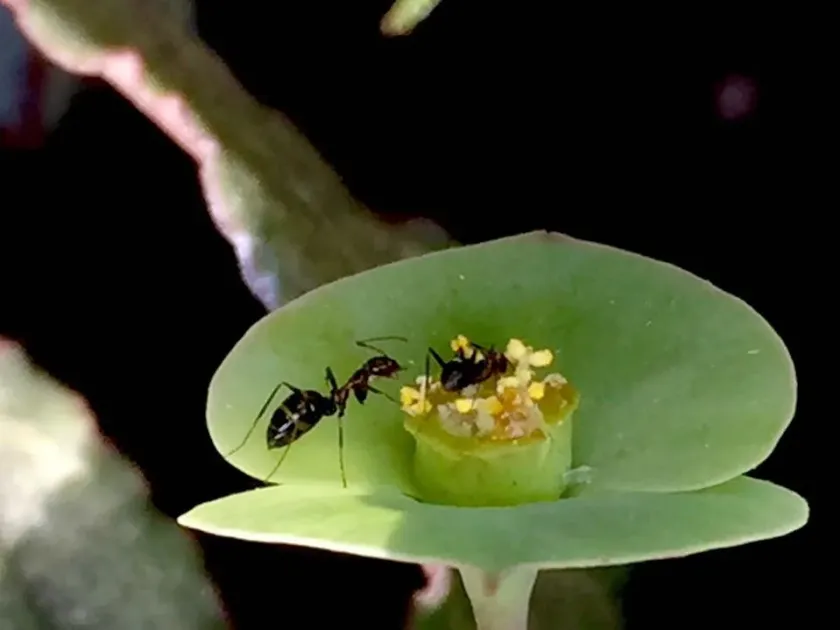
The botanical profile of the plant features sturdy, upright stems and succulent leaves that serve as water-storage organs. The inflorescences are characterized by complex structures typical of the Euphorbia genus, often appearing in a cluster arrangement that provides high ornamental value.
In terms of cultivation, this species requires well-draining, aerated soil that prevents waterlogging. A substrate based on sand, perlite, and a small amount of peat provides the optimal balance of moisture retention and drainage for root development.
The plant thrives in warm climates with a stable temperature range between 20°C and 28°C. Providing full exposure to sunlight is crucial for maintaining compact growth and ensuring the plant does not lose its characteristic aesthetic appearance due to etiolation.
хозяйственном uses, Euphorbia elegans is widely valued for its resilience in hot climates, making it an excellent candidate for xeriscaping and as a collectible specimen in specialized greenhouse collections.
Main diseases and pests
Pest management for Euphorbia elegans primarily focuses on preventing infestations of mealybugs and spider mites. These pests thrive in dry environments and can quickly weaken the plant by feeding on its sap.
Fungal pathogens are a significant threat, particularly those that cause root rot. These infections are often induced by poor drainage, excessive watering, or low light conditions which slow down the plant's metabolic processes.
- Regular monitoring for white cottony masses (mealybugs) on the undersides of leaves.
- Inspecting the stem base for discoloration indicative of fungal decay.
- Ensuring proper airflow between individual plants to prevent humidity spikes.
- Applying horticultural oils or systemic insecticides only when necessary.
Preventive care involves strict adherence to a watering schedule that allows the soil to dry out completely between irrigations. This practice significantly reduces the risk of root-related pathogens colonizing the plant.
Should an infection occur, removing the affected segments and applying a fungicide is necessary. Furthermore, isolating the plant from others helps to contain the potential spread of pests within a greenhouse or garden environment.