
Euphorbia echinulata
Euphorbia echinulata
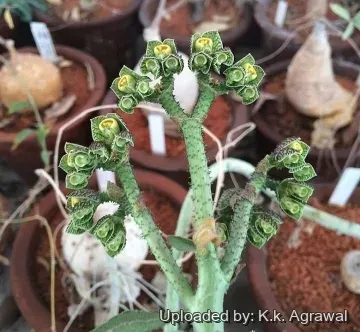
Description
Growing requirements
Euphorbia echinulata is a fascinating member of the Euphorbiaceae family. This perennial succulent is adapted to arid environments, featuring a unique, spine-like (echinate) texture on its stem, which serves as a defensive mechanism and helps manage gas exchange under heat.
The cultivation of this crop requires highly specialized conditions, specifically focusing on drainage. A porous, mineral-based soil mix is essential to prevent water accumulation, which is the primary cause of root failure in this specific species.
Sunlight requirements are rigorous; Euphorbia echinulata thrives in direct, intense sunlight. In a controlled agricultural or collection setting, high-intensity light is necessary to maintain the plant's structural integrity and prevent etiolation.
Temperature management follows a distinct cycle. The plant requires warm, stable temperatures during its active growth period, while a cool, dry dormant season is crucial to simulate its native habitat and encourage future health and development.
Watering practices are defined by a strict drought-cycle approach. Water should be applied only when the substrate is completely dry. In winter, watering should be reduced to an absolute minimum to ensure the plant remains in a dormant state.
Main diseases and pests
The most significant threat to Euphorbia echinulata is stem and root rot. These are primarily caused by fungal pathogens that thrive in moisture-heavy, anaerobic environments. Once stem rot reaches the core, the plant is usually impossible to salvage.
Pests such as mealybugs represent a common challenge. Their ability to hide within the complex textures of the plant body makes manual removal difficult, often necessitating the application of specialized systemic insecticides.
Spider mites are another common threat, especially in low-humidity environments. They cause stippling damage to the epidermis, which can lead to permanent scarring of the succulent tissue and create entry points for secondary infections.
Inadequate ventilation is a significant risk factor for the development of both fungal and insect infestations. Proper airflow helps regulate surface moisture and prevents the localized pockets of humidity that pests prefer.
Preventive maintenance, including the use of clean, sterilized substrates and frequent visual inspections, is the cornerstone of protecting this crop. Identifying stress signs early can prevent the spread of diseases within an entire collection.