
Euphorbia drupifera
Euphorbia drupifera
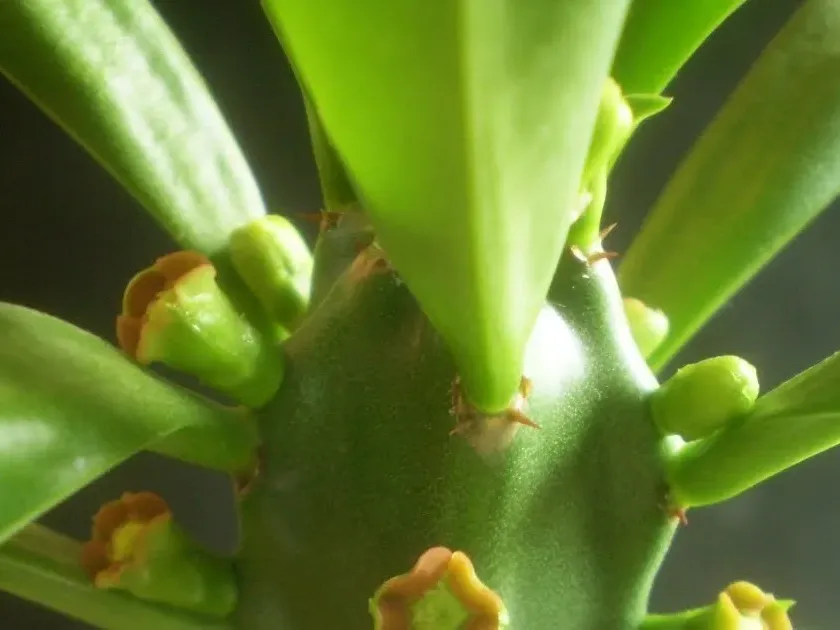
Description
Growing requirements
Euphorbia drupifera is a robust, tree-like succulent belonging to the Euphorbiaceae family. This species is native to tropical regions of West and Central Africa, where it thrives in savannah environments characterized by intense solar radiation and periodic dry seasons.
The plant grows to significant heights, developing a thick, woody stem and a crown of succulent branches. It requires well-draining, mineral-rich soil that mimics the rocky and sandy substrates of its natural habitat to prevent root saturation.
Temperature management is critical, as this species is frost-intolerant and requires warm conditions above 20°C for optimal growth. It is highly photophilous and demands exposure to direct sunlight to ensure structural integrity and healthy sap production.
Agricultural practices for this plant prioritize minimal watering. During the dormant winter season, water must be strictly limited to prevent physiological disorders such as stem rot or yellowing of the branches.
In terms of human use, Euphorbia drupifera is primarily cultivated for ornamental purposes in tropical gardens and as an interesting specimen in botanical collections for academic study regarding latex-producing plants.
Main diseases and pests
The most significant threat to Euphorbia drupifera is root rot caused by improper soil moisture levels. Maintaining a balance between hydration and aeration is the primary challenge for growers in non-native climates.
Pests such as mealybugs and spider mites are common adversaries in indoor or greenhouse settings. These insects exploit the plant's succulent tissues, requiring timely identification and mechanical or chemical intervention.
The plant's defensive mechanism involves the production of a caustic latex. This sap contains diterpene esters, which are highly irritating and potentially toxic, requiring strict safety measures during pruning or maintenance activities.
Secondary infections often manifest when the plant's cuticle is damaged. Proper sanitation practices, such as sterilizing pruning tools, are essential to prevent the spread of fungal and bacterial pathogens through the stem tissues.
Integrated pest management strategies focusing on early detection and physical removal of infested foliage prove more effective than aggressive chemical treatments for long-term health of this succulent culture.